

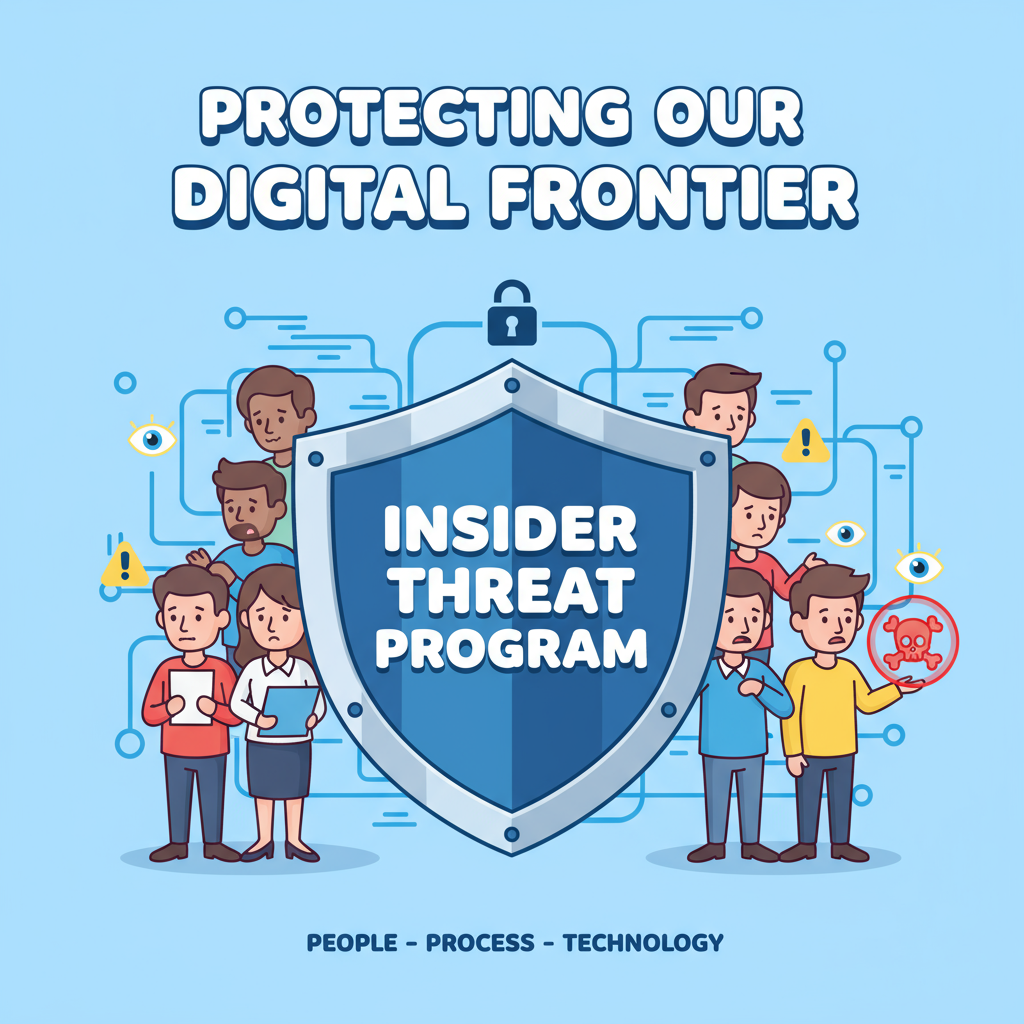
What Is the Goal of an Insider Threat Program?
Cybersecurity discussions often focus on external hackers, ransomware gangs, and sophisticated cyberattacks. But many organizations overlook one of the most dangerous security risks already inside their environment: the insider threat.
An insider threat can come from employees, contractors, vendors, or business partners who already have legitimate access to systems, networks, or sensitive information. Sometimes the threat is malicious. Other times, it happens because of negligence, poor security awareness, or compromised credentials.
That is where an Insider Threat Program becomes critical.
An effective Insider Threat Program helps organizations detect, prevent, and respond to harmful internal activities before they lead to financial loss, data breaches, operational disruption, or reputational damage. But its goal goes far beyond surveillance or monitoring employees.
In this guide, you will learn:
- What an insider threat really means
- The primary goals of an Insider Threat Program
- Common insider threat examples
- Key components of a successful program
- Best practices organizations use in 2026
- Frequently asked questions businesses ask about insider threats
Whether you manage cybersecurity, HR, compliance, or business operations, understanding insider threats is now essential for long-term resilience.
Understanding Insider Threats
An Insider Threat refers to any risk posed by individuals with authorized access to an organization’s systems, data, or facilities who misuse that access intentionally or unintentionally.
Unlike external attackers, insiders already know internal systems, processes, and vulnerabilities. This makes insider threats especially difficult to detect.
Common Types of Insider Threats
Malicious Insiders
These individuals intentionally steal, leak, sabotage, or misuse company resources.
Examples include:
- Stealing customer databases before leaving a company
- Selling confidential information to competitors
- Sabotaging systems after workplace conflicts
Negligent Insiders
These threats happen because of mistakes or poor security habits.
Examples include:
- Clicking phishing links
- Sharing passwords
- Sending confidential files to the wrong recipient
- Using unauthorized cloud storage tools
Compromised Insiders
In this scenario, an attacker gains access through a legitimate user account.
Examples include:
- Stolen employee credentials
- Session hijacking
- Malware infections on employee devices
Organizations often underestimate negligent insider threats, even though they account for a large percentage of modern data breaches.
What Is the Main Goal of an Insider Threat Program?
The core goal of an Insider Threat Program is to identify, prevent, detect, and respond to risks originating from trusted individuals with authorized access.
However, modern programs are designed to achieve several broader business and security objectives.
1. Protect Sensitive Data
The primary purpose is safeguarding confidential information such as:
- Customer records
- Financial data
- Intellectual property
- Trade secrets
- Employee information
- Healthcare or legal records
Organizations must ensure sensitive data is only accessed and used appropriately.
2. Reduce Human-Related Security Risks
People remain one of the largest cybersecurity risk factors. An Insider Threat Program helps minimize:
- Accidental data exposure
- Unsafe employee behavior
- Unauthorized file sharing
- Weak password practices
This is especially important in hybrid and remote work environments where employees access systems from multiple devices and locations.
3. Detect Suspicious Behavior Early
Modern insider threat solutions use:
- Behavioral analytics
- Access monitoring
- User activity tracking
- AI-driven anomaly detection
These tools help security teams identify unusual activities before serious damage occurs.
For example:
- A user downloading massive amounts of data after business hours
- Repeated failed login attempts
- Access to systems unrelated to job responsibilities
Early detection significantly reduces breach impact.
4. Support Regulatory Compliance
Many industries must comply with strict regulations involving data protection and security monitoring.
An Insider Threat Program can support compliance with:
- GDPR
- HIPAA
- ISO 27001
- PCI DSS
- SOC 2
- NIST frameworks
Strong internal controls also demonstrate security maturity during audits and vendor assessments.
5. Protect Business Reputation
A single insider-related data breach can damage customer trust for years.
Organizations increasingly recognize that cybersecurity is not just an IT issue. It directly impacts:
- Brand reputation
- Customer confidence
- Investor trust
- Business continuity
An effective Insider Threat Program reduces the likelihood of public incidents and operational disruptions.
Why Insider Threats Are Increasing
Insider threats are becoming more common due to major workplace and technology changes.
Remote and Hybrid Work
Employees now access business systems from:
- Home networks
- Personal devices
- Shared environments
- Public Wi-Fi connections
This creates additional attack surfaces and visibility challenges.
Cloud Adoption
Cloud platforms improve productivity but also increase the risk of:
- Misconfigured permissions
- Unauthorized sharing
- Shadow IT usage
- Uncontrolled data movement
Growing Access Complexity
Modern employees often have access to:
- Multiple SaaS applications
- VPNs
- Internal databases
- Collaboration platforms
Without proper access controls, organizations may lose visibility into how sensitive data is used.
Financial and Workplace Stress
Economic uncertainty, layoffs, and workplace dissatisfaction can sometimes increase malicious insider activity.
Security teams now work more closely with HR, legal, and management to identify behavioral warning signs responsibly and ethically.
Key Components of an Effective Insider Threat Program
A successful Insider Threat Program combines technology, policies, employee awareness, and cross-department collaboration.
Risk Assessment and Asset Identification
Organizations must first identify:
- Critical systems
- Sensitive data
- High-risk user groups
- Potential vulnerabilities
Without understanding what needs protection, monitoring becomes ineffective.
Access Control Policies
Strong access management reduces unnecessary exposure.
Best practices include:
- Least privilege access
- Role-based permissions
- Multi-factor authentication (MFA)
- Regular access reviews
Employees should only access data necessary for their job responsibilities.
User Activity Monitoring
Monitoring systems help detect unusual behavior patterns.
Common monitoring areas include:
- File transfers
- USB device usage
- Login activity
- Cloud application usage
- Privileged account activity
Transparency is important. Organizations should clearly communicate monitoring policies to employees.
Security Awareness Training
Employees play a major role in reducing insider risk.
Training should cover:
- Phishing awareness
- Password security
- Safe data handling
- Social engineering
- Reporting suspicious behavior
Ongoing education is more effective than annual compliance-only training.
Incident Response Planning
Organizations should establish clear procedures for:
- Investigating suspicious activity
- Escalating incidents
- Preserving evidence
- Coordinating legal and HR responses
- Recovering affected systems
Fast response times reduce damage and recovery costs.
Real-World Insider Threat Scenarios
Understanding realistic examples helps organizations prepare effectively.
Scenario 1: Employee Data Theft Before Resignation
A sales manager planning to join a competitor downloads thousands of customer records onto a personal device before leaving the company.
An Insider Threat Program could flag:
- Unusual download volumes
- Access outside normal hours
- Transfers to external storage devices
Scenario 2: Accidental Cloud Exposure
An employee uploads confidential project files to a publicly accessible cloud folder to work remotely.
This negligent action exposes sensitive information unintentionally.
Proper employee training and cloud monitoring tools could prevent the issue.
Scenario 3: Compromised Credentials
A cybercriminal steals an employee’s login credentials through phishing and gains access to financial systems.
Behavioral analytics detect abnormal login locations and unusual access patterns, allowing security teams to intervene quickly.
Best Practices for Building a Strong Insider Threat Program
Organizations in 2026 increasingly focus on balanced, privacy-conscious security strategies.
Build a Culture of Security
Employees should view cybersecurity as a shared responsibility rather than surveillance.
Leadership should encourage:
- Open communication
- Security awareness
- Non-punitive reporting
- Ethical behavior
A healthy workplace culture can significantly reduce insider risks.
Use Zero Trust Principles
Zero Trust assumes no user or device should be automatically trusted.
Key principles include:
- Continuous verification
- Least privilege access
- Segmentation
- Identity validation
This reduces the impact of compromised accounts.
Combine Technology With Human Oversight
AI and automation improve detection capabilities, but human review remains essential.
Security teams should analyze context carefully before escalating incidents to avoid false accusations or privacy concerns.
Regularly Review Policies
Threats evolve constantly.
Organizations should update:
- Access policies
- Monitoring procedures
- Remote work guidelines
- Vendor access controls
- Incident response plans
Periodic reviews help maintain effectiveness.
Collaborate Across Departments
Successful Insider Threat Programs involve:
- IT
- Cybersecurity
- HR
- Legal
- Compliance
- Executive leadership
Cross-functional collaboration improves both prevention and response efforts.
Common Challenges Organizations Face
Even mature organizations struggle with insider threat management.
Balancing Security and Privacy
Employees may feel uncomfortable about monitoring practices.
Organizations should:
- Be transparent
- Define acceptable use policies clearly
- Limit unnecessary data collection
- Follow privacy regulations
Trust and communication are essential.
Alert Fatigue
Too many alerts can overwhelm security teams.
Modern programs use behavioral analytics and risk scoring to prioritize genuine threats more accurately.
Limited Visibility Across Cloud Environments
Organizations using multiple SaaS platforms often struggle with centralized monitoring.
Integrated security solutions and centralized logging improve visibility significantly.
Internal Linking Opportunities
Within a cybersecurity website or blog, this article could naturally link to:
- A guide on Zero Trust security
- Articles about phishing prevention
- Data loss prevention (DLP) solutions
- SOC monitoring services
- Employee cybersecurity training
- Incident response planning
- Cloud security best practices
These related topics strengthen topical authority and improve user navigation.
FAQ: Insider Threat Program
What is an Insider Threat Program?
An Insider Threat Program is a security strategy designed to detect, prevent, and respond to risks caused by individuals with authorized access to organizational systems or data.
Why are insider threats dangerous?
Insider threats are dangerous because insiders already have legitimate access to sensitive systems and information. This makes their actions harder to detect than external attacks.
Are insider threats always intentional?
No. Many insider threats happen accidentally due to human error, poor security practices, or compromised credentials rather than malicious intent.
What departments should be involved in an Insider Threat Program?
Effective programs usually involve cybersecurity, IT, HR, legal, compliance, and executive leadership teams working together.
How can companies reduce insider threats?
Organizations can reduce insider threats through:
- Security awareness training
- Strong access controls
- Continuous monitoring
- Multi-factor authentication
- Behavioral analytics
- Clear security policies
Conclusion
An effective Insider Threat Program is no longer optional for modern organizations. As workplaces become more digital, distributed, and cloud-dependent, internal risks continue to grow alongside external cyber threats.
The real goal of an Insider Threat Program is not simply monitoring employees. It is about protecting sensitive data, reducing human-related risks, improving visibility, and strengthening organizational resilience without compromising trust and privacy.
Businesses that combine smart technology, clear policies, employee education, and cross-functional collaboration are far better positioned to prevent costly insider incidents.
If your organization is evaluating insider threat protections, the next step may be reviewing your access controls, improving employee security awareness, or exploring advanced monitoring solutions that align with your business needs and compliance requirements.