

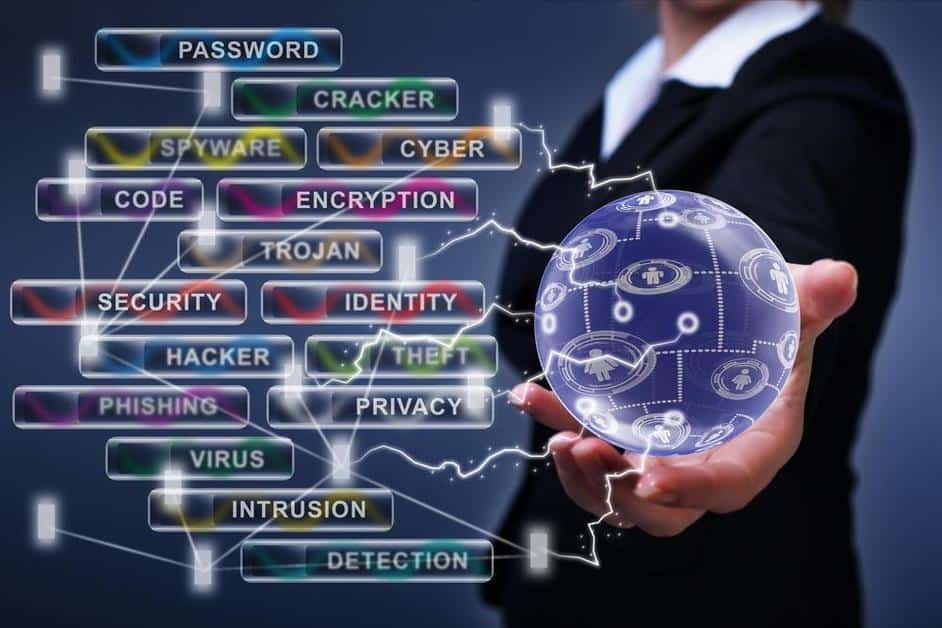
Every 39 seconds, a hacker strikes somewhere online. That statistic might sound alarming, but it’s the reality of living in a hyper-connected digital age. For individuals and businesses alike, protecting sensitive data is no longer optional—it’s essential.
This cybersecurity guide for beginners breaks down complex concepts into easy-to-follow steps. Whether you’re an individual trying to keep your personal data safe or a business leader protecting customer information, these strategies will help you build a strong foundation for digital security.
What is Cybersecurity and Why Does It Matter?
Cybersecurity is the practice of protecting your devices, networks, and data from digital threats. It’s not just for IT professionals—everyone is a target. Cybercriminals don’t discriminate; they exploit the easiest entry point.
Real-world examples highlight the risks:
-
Phishing attacks trick users into handing over login credentials.
-
Ransomware locks files until a payment is made.
-
Data breaches expose millions of customer records.
In short, if you connect to the internet, you need cybersecurity.
Common Cybersecurity Threats Every Beginner Should Know
Phishing Attacks
Phishing is the most common cyber threat, often delivered through emails or texts that look legitimate. The goal? To steal sensitive data like bank credentials or login details.
Malware and Ransomware
Malware is malicious software designed to damage systems or steal data. Ransomware is a type of malware that encrypts your files until you pay a ransom.
Weak Passwords & Credential Theft
Reusing the same password across multiple sites is a hacker’s dream. Credential stuffing—where attackers use stolen login data from one site to access others—is growing rapidly.
Public Wi-Fi Risks
Free Wi-Fi at airports and cafés is convenient but dangerous. Hackers can intercept unencrypted traffic, exposing your passwords, emails, and financial transactions.
Cybersecurity Guide for Beginners – Essential Best Practices
Even without advanced technical knowledge, beginners can drastically improve their security posture with a few key habits.
Use Strong, Unique Passwords
Never reuse passwords. Instead, use a password manager that generates long, unique credentials for each account. Add multi-factor authentication (MFA) wherever possible.
Keep Software and Devices Updated
Updates are more than cosmetic—they patch security flaws. Always install the latest versions of operating systems, browsers, and apps.
Secure Your Wi-Fi Network
Change your router’s default login credentials. Use WPA3 encryption for your home Wi-Fi to keep intruders out.
Backup Your Data Regularly
Backups are lifesavers in case of ransomware attacks or hardware failures. Store backups in multiple places—both cloud-based and offline.
Be Cautious with Emails and Links
If something looks suspicious, it probably is. Avoid clicking on links or downloading attachments unless you’re certain of the sender’s authenticity.
Cybersecurity Tools for Beginners
Technology can give you a security advantage. Beginners should start with:
-
Antivirus/Anti-malware: Detect and block malicious programs.
-
VPN (Virtual Private Network): Encrypts your internet traffic, especially on public Wi-Fi.
-
Firewalls: Block unauthorized access attempts.
-
Encryption Tools: Secure sensitive files and communications.
Cybersecurity for Businesses – Where Beginners Should Start
Small and medium-sized businesses are frequent cyberattack victims because criminals assume they lack proper defenses. Here’s where to begin:
-
Employee training: Most breaches start with human error. Educate staff on phishing and security best practices.
-
Access control: Limit sensitive data access to only those who need it.
-
Regular updates and patching: Outdated software is a hacker’s backdoor.
-
Outsource security if needed: Managed Security Service Providers (MSSPs) offer affordable protection.
The Future of Cybersecurity for Beginners
Cybersecurity is not static—it evolves. Here are trends shaping the future:
-
AI-driven attacks and defenses: Artificial intelligence is being used by both attackers and defenders.
-
Zero-trust models: “Never trust, always verify” is becoming the standard.
-
Personal responsibility: With so much personal data online, individuals must adopt proactive security habits.
The earlier you adopt cybersecurity practices, the more resilient you’ll be against evolving threats.
FAQs – Cybersecurity Guide for Beginners
Q1: What is the first step to improve my cybersecurity?
Start by using strong, unique passwords and enabling two-factor authentication.
Q2: Do I really need antivirus software in 2025?
Yes. Modern antivirus tools protect against malware, phishing, and ransomware.
Q3: What is the safest way to store my passwords?
Use a reputable password manager instead of writing them down or saving in browsers.
Q4: Is public Wi-Fi safe if I use a VPN?
Yes, a VPN encrypts your traffic, making public Wi-Fi much safer.
Q5: How often should I back up my data?
At least once a week, with automated backups whenever possible.
Q6: What are the biggest cybersecurity risks for small businesses?
Phishing attacks, ransomware, and weak access control are the top threats.
Q7: Can beginners understand and implement cybersecurity measures without experts?
Absolutely. With guides like this, anyone can implement basic but powerful defenses.
Final Thoughts
This cybersecurity guide for beginners has shown that you don’t need to be an IT professional to protect yourself. By adopting strong passwords, keeping devices updated, and using key tools, you can dramatically lower your risk.
The best defense is consistency—small, smart habits practiced daily.
Don’t wait for a breach to happen. Start applying these beginner-friendly cybersecurity practices today and take control of your digital security.