

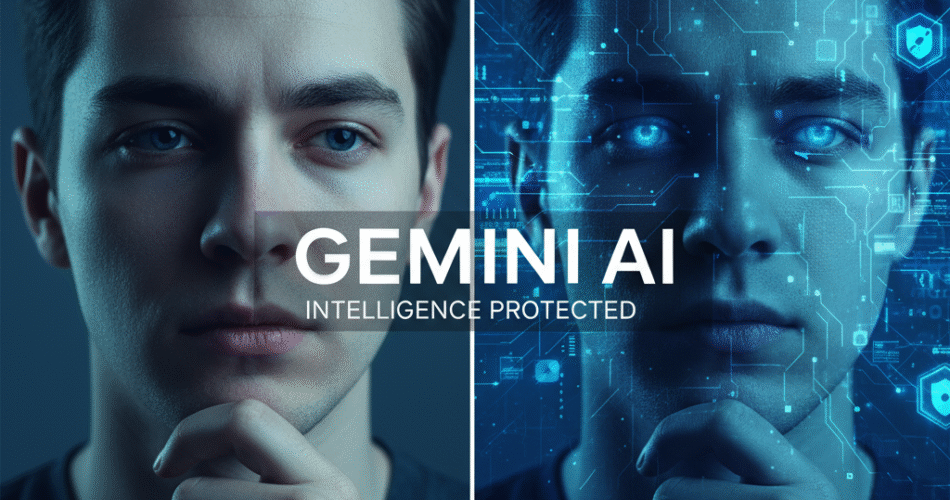
The Gemini AI photo trend has stormed the internet, with millions experimenting with AI-generated portraits, avatars, and edits. While these new AI-powered tools offer convenience and creativity, they also expose new cybersecurity, privacy, and ethical challenges. Behind every viral trend lies deeper questions: How safe is your data? Who owns your AI-generated image? And what risks are hidden beneath the surface of “fun” AI filters?
This article explores the rise of the Gemini AI photo trend, its implications for businesses and individuals, and the cybersecurity measures leaders must consider in today’s AI-first landscape.
Outline
-
Introduction (Hook into Gemini AI photo trend + cybersecurity relevance)
-
What Is the Gemini AI Photo Trend?
-
Why It Went Viral: Driving Forces Behind the Trend
-
Benefits of AI-Generated Photos in Professional and Personal Use
-
Cybersecurity Risks Amid the Trend
-
Data collection and privacy risks
-
Deepfakes and misinformation
-
Corporate threats
-
-
Ethical Concerns and Digital Identity
-
How Cybersecurity Experts Should Respond
-
Best Practices for Secure AI Photo Use
-
Impact on CEOs, Founders, and Industry Leaders
-
Future of AI Photos and Digital Identity Management
-
FAQs
-
Conclusion with a Strategic Call-to-Action
What Is the Gemini AI Photo Trend?
The Gemini AI photo trend refers to the viral adoption of Google’s Gemini AI platform for generating and editing lifelike photos. Users upload images and receive realistic AI-enhanced versions ranging from professional headshots to creative artistic renderings. Unlike earlier AI filters, Gemini’s outputs are hyper-realistic, blurring the line between authentic and synthetic content.
Whether it’s LinkedIn profile photos, fashion edits, or social media challenges, millions are engaging with Gemini’s tools daily. This rapid adoption highlights both the demand for convenience and the risks of mass AI image generation.
Why the Gemini AI Photo Trend Went Viral
Several factors pushed Gemini AI photo editing into mainstream culture:
-
Accessibility: Anyone with a smartphone can generate AI-based edits quickly.
-
Realism: Unlike cartoonish filters, Gemini creates convincing and professional-quality images.
-
Social Virality: TikTok, Instagram, and Twitter communities embraced the trend, accelerating exposure.
-
Business Adoption: Professionals use AI-generated headshots for resumes, websites, and branding.
However, virality comes at a cost. As the trend spreads, so do the cybersecurity and identity risks attached.
Benefits of AI-Generated Photos
Despite concerns, the Gemini AI photo trend offers significant advantages:
-
Professional Branding: CEOs, founders, and executives use AI headshots to maintain polished digital profiles without costly photoshoots.
-
Creative Freedom: Artists and marketers leverage these tools for unique content creation.
-
Accessibility for All: AI photo tools democratize creativity, allowing broader communities to access design.
-
Cost and Time Savings: Individuals and businesses save resources otherwise spent on traditional photography.
Still, with every advantage comes the responsibility to stay secure.
Cybersecurity Risks of the Gemini AI Photo Trend
Data Collection and Privacy
Gemini AI, like similar platforms, often stores uploaded photos for training purposes. Sensitive biometric data, once placed online, can be harvested, misused, or even resold without user awareness.
Deepfakes and Misinformation
Hyper-realistic AI photos fuel the creation of deepfakes—synthetic images or videos that distort reality. In the wrong hands, leaders’ identities may be cloned to manipulate employees, clients, or investors.
Corporate Threats
Executives uploading professional images risk CEO impersonation scams, a form of phishing that relies on visual trust. Attackers may use cloned visuals in fraudulent communications to authorize fund transfers or spread misinformation.
Regulatory Gaps
Current laws governing AI usage in photos lag behind innovation. As such, early adopters are at higher risk of exploitation due to unclear protections.
Ethical Concerns and Digital Identity
AI-generated photos also raise ethical dilemmas:
-
Authenticity: At what point does an AI-enhanced image mislead employers, clients, or followers?
-
Consent: If an AI system modifies your likeness, do you retain ownership of your digital identity?
-
Bias: AI photo generation still reflects algorithmic biases, leading to distorted or homogenized appearances.
For industry leaders, misuse of AI-generated visuals could damage corporate reputation and erode trust.
How Cybersecurity Experts Should Respond
Cybersecurity professionals have a critical role in addressing this trend. Key actions include:
-
Raising Awareness: Educating executives and employees on the risks of uploading images.
-
Implementing Identity Safeguards: Using biometric security beyond facial recognition.
-
Monitoring for Impersonation: Deploying dark web monitoring to detect misuse of executive images.
-
Establishing Policies: Companies must update acceptable use policies to guide AI photo interactions.
Best Practices for Secure AI Photo Use
To minimize risks while engaging with Gemini AI photo applications:
-
Review Permissions: Always read data collection policies before uploading images.
-
Use AI Responsibly: Avoid uploading confidential or highly personal photos.
-
Employ Watermarks: When necessary, watermark AI-generated images to deter misuse.
-
Separate Personal and Professional Use: Limit exposure by using different accounts for experimentation versus official branding.
-
Stay Updated on Regulations: Monitor emerging laws targeting deepfake misuse and AI data rights.
Impact on CEOs and Industry Leaders
For CEOs and founders, the Gemini AI photo trend is more than a tech fad—it is a brand risk management challenge.
-
Reputation Management: Leaders must ensure their image cannot be weaponized.
-
Employee Policies: HR and IT leaders should craft clear policies on AI profile photos in official communications.
-
Boardroom Discussions: AI photo security must be part of corporate governance conversations.
-
Investor Confidence: Transparency on how executives safeguard identity builds stakeholder trust.
The ability to lead responsibly in the AI era sets the tone for organizational resilience.
Future of AI Photos and Digital Identity
Looking forward, the Gemini AI photo trend is just the beginning. We may see:
-
Expansion into Video and Avatars: AI-generated professional avatars for meetings and interviews.
-
Rise of Verification Tools: Blockchain-powered identity verifications to separate real from fake.
-
Stronger Global Regulations: Legislators will tighten guardrails around biometric data and AI-generated imagery.
-
AI Literacy Training: Every professional, from marketing teams to boards, will require ongoing training in AI media risks.
Understanding this trajectory allows businesses to stay proactive rather than reactive.
FAQs
1. What is the Gemini AI photo trend?
It refers to the viral use of Google’s Gemini AI to generate realistic and professional-looking photos, widely adopted across social media and businesses.
2. Is the Gemini AI photo trend safe?
While fun and innovative, it carries risks around privacy, data ownership, and potential misuse in deepfakes.
3. How can businesses protect themselves from AI-generated impersonation?
Organizations should establish identity verification protocols, watermark official assets, and monitor executives’ visuals across digital platforms.
4. Can AI-generated images be trusted in professional contexts?
They can be useful for branding but must carry transparency. Over-reliance risks misleading clients and partners.
5. Are my uploaded photos stored permanently?
Policies vary, but many AI platforms retain uploaded images for model training unless users explicitly request deletion.
6. What steps should cybersecurity teams take right now?
Immediate actions include monitoring for executive impersonation, updating AI usage policies, and training staff on risks.
7. How will future regulation address AI photos?
Expect stricter laws safeguarding biometric data and enforcing disclosure of AI-generated content.
Conclusion & Call to Action
The Gemini AI photo trend exemplifies how fast technology blurs the boundary between creativity and security. For cybersecurity professionals and industry leaders, AI-driven photos bring both efficiency and risk. The key lies in proactive response—balancing creativity with caution, awareness with innovation.
If you’re a CEO, founder, or online security specialist, now is the time to audit your AI exposure, update cybersecurity policies, and invest in digital identity monitoring solutions. The Gemini AI photo trend will evolve, but your organization’s resilience depends on how you prepare for its impact today.