

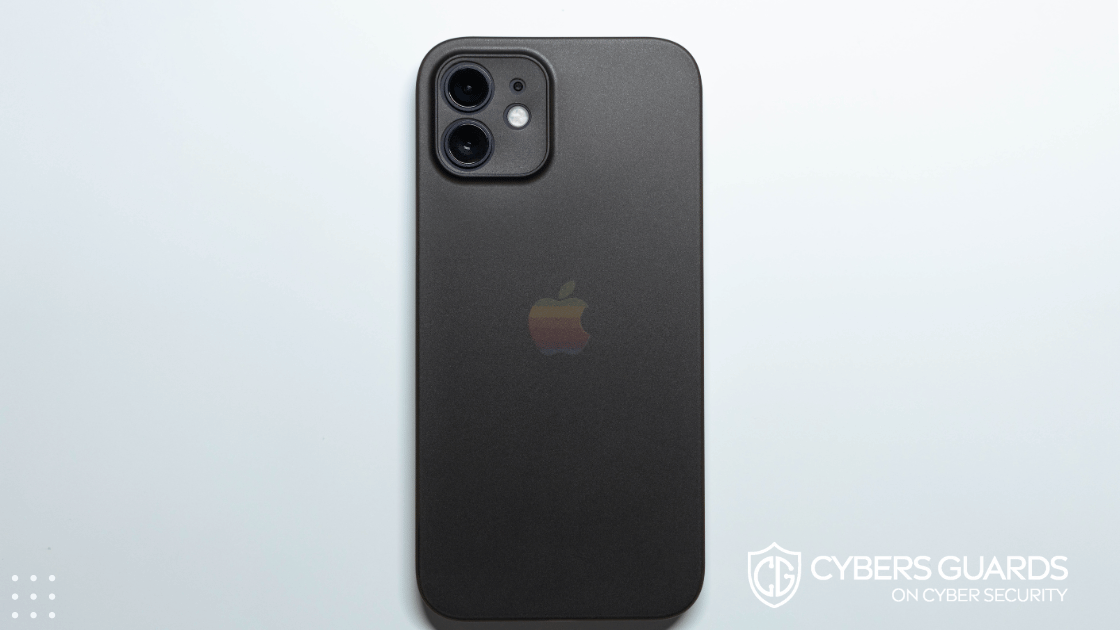
Apple’s iPhone has built a reputation as one of the most secure smartphones available. Its closed iOS ecosystem, frequent updates, and hardware-software integration make it harder for hackers compared to open-source systems. However, in 2025, that reputation alone isn’t enough.
Phishing and mobile malware attacks have surged, with studies showing phishing attacks against iPhone users more than doubled in the last two years. For professionals and executives carrying sensitive business data, strong iPhone cybersecurity is vital against sophisticated threats.
Understanding iPhone Cybersecurity
iPhone cybersecurity refers to the protections and best practices that safeguard iOS devices, user data, and applications.
Apple implements several built-in security measures:
-
Strict App Store vetting.
-
Encrypted iMessage and FaceTime communications.
-
Secure Enclave for biometric authentication.
-
Regular automatic iOS updates.
Despite these, iPhones remain a prime target, especially for phishing, spyware, and targeted state-sponsored campaigns like Pegasus spyware.
Common Cyber Threats Targeting iPhones
Phishing and Smishing Attacks
Attackers often use text messages, emails, or fake login pages to steal Apple ID credentials or banking details.
Malicious Apps and Profiles
Although rare, some malicious apps bypass Apple’s checks or enter devices through installed configuration profiles.
Jailbreaking Risks
Jailbreaking removes Apple’s controls, exposing devices to unverified apps and serious vulnerabilities.
Spyware and Surveillance Tools
Targeted spyware such as Pegasus can access calls, texts, and activity undetected—posing risks for executives and government officials.
Public Wi-Fi Vulnerabilities
Hackers can intercept sensitive data sent over insecure Wi-Fi if VPNs aren’t used.
Why iPhone Cybersecurity Is Important for Professionals and Businesses
-
Protecting Corporate Data: With bring-your-own-device (BYOD) policies, iPhones often store corporate communications and apps. Breaches can leak sensitive company information.
-
Compliance with Regulations: Industries like healthcare and finance must meet GDPR, HIPAA, and PCI DSS requirements, making mobile device protection critical.
-
Safeguarding Executives: Leaders are prime targets for spear phishing and spyware that could damage reputations and expose confidential data.
Even with Apple’s ecosystem advantages, businesses must enforce their own mobile device security policies.
Best Practices for iPhone Cybersecurity
-
Keep iOS Updated
Always apply Apple’s updates as they often patch zero-day vulnerabilities. -
Use Strong Passcodes and Biometrics
Avoid simple 4-digit pins. Use six-digit codes, Face ID, or Touch ID. -
Enable Two-Factor Authentication (2FA)
Protect Apple IDs with 2FA to prevent credential theft. -
App Store Only
Download apps strictly from Apple’s App Store to reduce malware risk. -
Avoid Jailbreaking
It may unlock features but leaves your device exposed. -
Protect Public Wi-Fi Usage
Use a trusted VPN to encrypt data in coffee shops, airports, or hotels. -
Enable Find My iPhone
Activate remote erase options in case the device is lost or stolen. -
Encrypt Sensitive Data
For business users, tools like Apple’s Data Protection API and third-party apps help secure files. -
Train Employees
Educate staff to avoid phishing links, unsafe downloads, and unprotected Wi-Fi.
Tools and Techniques That Enhance iPhone Cybersecurity
-
VPNs: Apps like NordVPN or ProtonVPN encrypt traffic.
-
Password Managers: 1Password or LastPass enable long, complex credential storage.
-
MDM Solutions: Enterprise tools like Jamf or Apple Business Manager manage employee devices securely.
-
Encrypted Messaging Apps: Signal or iMessage with end-to-end encryption safeguard communication.
-
Threat Detection Tools: Apple’s Lockdown Mode (introduced in iOS 16) enhances defenses against targeted spyware.
For businesses, deploying mobile threat defense solutions adds another shield.
The Future of iPhone Cybersecurity in 2025 and Beyond
The iPhone ecosystem continues to strengthen, but evolving threats require innovation:
-
AI-Driven Threat Detection: Apple and cybersecurity firms will lean on AI to detect abnormal device behaviors.
-
Advanced Biometrics: Emerging authentication includes behavioral biometrics such as typing speed or device handling.
-
On-Device AI for Phishing Detection: Devices will soon block malicious links proactively.
-
Stronger Secure Enclaves: Improved chip-level encryption for storing biometric and payment data.
-
Decentralized Identity: Apple may support DID standards for privacy-first authentication.
For professionals and business leaders, the future means adopting layered strategies beyond just relying on Apple defaults.
Conclusion
While Apple’s iPhones are among the most secure mobile devices, iPhone cybersecurity is not invulnerable. Phishing links, spyware, and mismanagement can still expose sensitive data.
By embracing best practices like consistent updates, strict access controls, and VPN use, organizations and individuals build resilience. For business leaders, implementing MDM and enterprise security frameworks ensures compliance and long-term trust.
Don’t assume your iPhone is automatically safe—audit your cybersecurity posture today and stay ahead of tomorrow’s threats.
FAQs
1. Is the iPhone really more secure than Android?
Yes, but it’s not immune. Apple’s walled-garden reduces malware risk, but phishing and spyware still target iPhones.
2. What are the biggest iPhone cybersecurity risks in 2025?
Phishing, spyware, public Wi-Fi interception, and jailbreaking vulnerabilities.
3. Can iPhones get hacked or infected with malware?
Yes—though less frequently than Android, iPhones can still be hacked through phishing or spyware exploits.
4. How should businesses secure employee iPhones?
By using MDM systems, enforcing encryption, and ensuring compliance with data regulations.
5. Does using a VPN improve iPhone cybersecurity?
Yes, VPNs encrypt traffic on public Wi-Fi, protecting against data interception.
6. Should I jailbreak my iPhone for more features?
No. Jailbreaking removes Apple’s protections and makes devices highly vulnerable.
7. How can executives protect themselves from spyware?
Use Lockdown Mode, keep iOS updated, and avoid unknown links and sources.
8. What future trends will impact iPhone cybersecurity?
AI threat detection, decentralized identities, advanced biometrics, and stronger chip security.