

Web applications are the backbone of modern business. From e-commerce to healthcare portals and SaaS platforms, every organization relies on web apps to serve customers and store sensitive data. But here’s the catch: over 70% of web applications contain at least one vulnerability that attackers can exploit.
In this guide, we’ll explore the most common vulnerabilities in web apps, why they matter, and how to fix them before they become a cybercriminal’s entry point.
Understanding Vulnerabilities in Web Applications
A web application vulnerability is a weakness in design, code, or configuration that allows attackers to compromise confidentiality, integrity, or availability. Unlike traditional network attacks, web app vulnerabilities are often exploited through the application layer—the very interface customers and employees use daily.
From stolen credit card data to ransomware-infected platforms, the consequences of ignoring web app security can be catastrophic. A single flaw can lead to:
-
Data breaches.
-
Regulatory fines (GDPR, HIPAA, PCI DSS).
-
Reputational damage.
-
Loss of customer trust.
The Most Common Vulnerabilities in Web Apps
Let’s break down the top threats that web apps face today.
SQL Injection (SQLi)
SQL Injection is one of the oldest yet most dangerous attacks. Hackers inject malicious queries into input fields to manipulate databases. With SQLi, an attacker could extract entire customer databases or even gain admin-level access.
Mitigation: Use parameterized queries, stored procedures, and ORM frameworks to prevent untrusted input from altering queries.
Cross-Site Scripting (XSS)
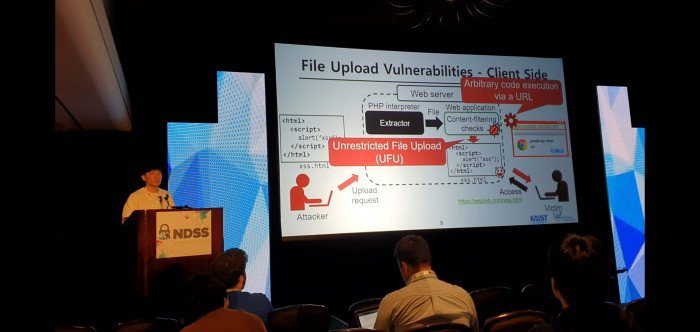
XSS attacks inject malicious JavaScript into web pages viewed by other users. This can lead to session hijacking, redirection to phishing sites, or stealing personal data.
Mitigation: Input sanitization, output encoding, and enforcing Content Security Policy (CSP).
Broken Authentication
Weak login systems are a goldmine for attackers. Credential stuffing, brute-force attacks, and session hijacking remain common.
Mitigation: Enforce strong passwords, enable multi-factor authentication (MFA), and implement session timeouts.
Insecure Direct Object References (IDOR)
IDOR occurs when users manipulate URLs or API requests to access unauthorized data. For example, changing /user/123 to /user/124 to see another user’s data.
Mitigation: Strict access controls and consistent authorization checks.
Security Misconfigurations
Default admin panels, unpatched software, or verbose error messages expose sensitive information.
Mitigation: Regular audits, disabling unnecessary features, and consistent patching.
OWASP Top 10 and Its Relevance
The OWASP Top 10 is the gold standard for web application security. Updated regularly, it outlines the most critical risks developers must address. Adopting OWASP principles not only strengthens security but also supports compliance with frameworks like ISO 27001, PCI DSS, and GDPR.
For CISOs, CTOs, and developers alike, OWASP provides a clear roadmap to tackle vulnerabilities systematically.
Best Practices to Prevent Web App Vulnerabilities
Secure Coding Practices
-
Validate and sanitize all inputs.
-
Encode outputs to prevent XSS.
-
Follow the principle of least privilege.
-
Conduct code reviews and static analysis regularly.
Regular Security Testing
-
Schedule penetration tests and vulnerability scans.
-
Implement bug bounty programs to crowdsource threat detection.
-
Use continuous monitoring tools to identify anomalies in real time.
Patch Management & Updates
-
Outdated frameworks like Apache Struts have led to massive breaches.
-
Automate patch cycles to avoid gaps.
-
Track third-party library vulnerabilities through software composition analysis (SCA).
User Awareness and Training
-
Developers must receive secure coding training.
-
Admins should know how to configure systems securely.
-
End users benefit from phishing awareness to prevent credential leaks.
The Business Impact of Web App Vulnerabilities
Vulnerabilities aren’t just technical problems—they’re business risks.
-
Financial Losses: According to IBM, the average cost of a data breach in 2023 exceeded $4.45 million.
-
Reputation Damage: Customers are unlikely to trust a brand after a data leak.
-
Compliance Risks: Non-compliance with GDPR, HIPAA, or PCI DSS can result in hefty fines.
-
Operational Downtime: Ransomware or DDoS exploiting app flaws can disrupt services entirely.
FAQs – Vulnerabilities in Web Apps
Q1: What are vulnerabilities in web apps?
They are weaknesses in code, design, or configuration that attackers exploit to gain unauthorized access or disrupt operations.
Q2: How do hackers exploit vulnerabilities in web apps?
Through techniques like SQL injection, XSS, or exploiting misconfigured settings.
Q3: What is the OWASP Top 10 and why does it matter?
It’s a list of the most critical web app vulnerabilities, serving as a guide for developers and security teams.
Q4: How can developers secure applications against SQL injection?
By using parameterized queries, stored procedures, and avoiding dynamic SQL.
Q5: Are SaaS platforms also vulnerable to web app attacks?
Yes. SaaS applications face the same risks and require continuous testing and monitoring.
Q6: What tools can detect vulnerabilities in web apps?
Popular tools include Burp Suite, OWASP ZAP, and Nessus.
Q7: Can small businesses be targeted through web app vulnerabilities?
Absolutely. Cybercriminals often target SMEs due to weaker defenses.
Q8: How often should web apps be tested for vulnerabilities?
At least quarterly, or whenever major updates are deployed.
Final Thoughts
Vulnerabilities in web apps are preventable, not inevitable. By adopting secure coding practices, testing regularly, and following OWASP Top 10 guidelines, businesses can drastically reduce their attack surface.
Don’t wait for a data breach to highlight weaknesses in your web applications. Start implementing security-first design today—because in cybersecurity, prevention is always cheaper than recovery.