

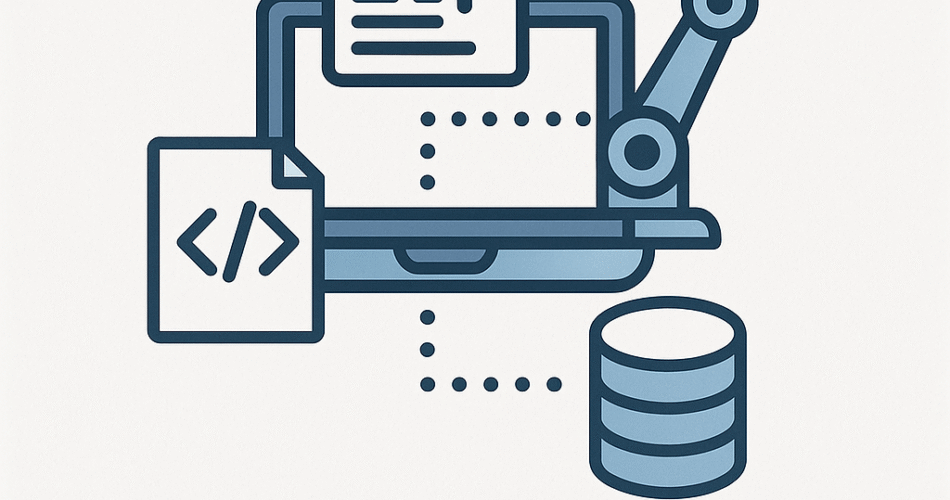
What is Web Scraping?
At its core, web scraping is the automated process of extracting structured data from websites. Instead of manually copying and pasting, companies and researchers use scripts, bots, or specialized web scraping tools to harvest data like product listings, job postings, reviews, or threat intelligence. Most web scraping relies on:
-
HTTP requests to access pages
-
Parsing HTML/JSON/XML to extract useful data
-
Automated agents (bots/selenium/headless browsers) to mimic human browsing
The combination of these makes data extraction efficient and scalable. For industries where timely data provides a business edge, web scraping has become indispensable.
Why Web Scraping Matters Today
The digital universe continues to double in size every two years. Organizations that fail to harness external web data risk making blind decisions. Web scraping and its close cousin, web crawling, provide:
-
Business Intelligence – Competitors’ product launches, price fluctuations, and market sentiment.
-
Customer Insights – Reviews and user feedback scraped from e-commerce or app stores.
-
Cybersecurity Awareness – Indicators of compromise, phishing campaigns, and leaked credentials on the dark web.
For CEOs and CISOs, the message is clear: web scraping is no longer a technical hobby – it’s a strategic necessity powered by effective data extraction technologies.
Common Applications of Web Scraping
Different industries use web scraping for distinct goals. Below are the most common and valuable applications:
Market Research & Pricing Intelligence
Retailers use scraping to compare competitor prices in real time, adjust promotions dynamically, and track inventory availability.
Lead Generation & Recruitment
Businesses scrape directories and LinkedIn public profiles for targeted lead databases, while recruiters gather aggregated job postings.
Content Aggregation & Monitoring
News aggregators and academic platforms rely on scraping to pull data from multiple online sources.
Cybersecurity Monitoring
Security teams scrape underground forums, marketplaces, and phishing domains to spot threats early. This is one of the fastest-growing scraping applications as digital threats surge.
Ethical and Legal Dimensions of Web Scraping
The rise of scraping forces organizations to navigate tricky legal gray zones:
-
Robots.txt – Many sites specify scraping permissions, but ignoring them can lead to violations.
-
Terms of Service – Websites often prohibit scraping, leading to lawsuits if ignored.
-
Data Protection Laws – GDPR and CCPA mandate user consent and proper handling of scraped data.
-
Copyright Issues – Republishing scraped content can cross into intellectual property violations.
Ethical scraping means respecting site restrictions, anonymizing personal data, and avoiding harm to the infrastructure of target websites. Organizations that fail to adopt compliance-first strategies risk fines and reputational damage.
Challenges & Risks in Web Scraping
While tempting, web scraping comes with significant technical and business risks:
Technical Hurdles
-
Frequent IP bans and rate limits.
-
CAPTCHAs blocking bots.
-
Dynamic JavaScript rendering requiring headless browsers.
Security Risks
-
Malware-injected datasets from unscrupulous resellers.
-
Attackers using scraping for fraud (fake reviews, scalping tickets).
Business Reputation Risks
If a company scrapes irresponsibly, it can draw negative press, lawsuits, or bans from platforms.
Best Practices for Secure Web Scraping
For organizations that rely on scraping ethically and at scale, following security-conscious best practices is vital:
-
Use Proxies and Rotating IPs – Avoid suspicion and distribute requests.
-
Implement Rate Limits – Mimic human browsing behavior to reduce blocks.
-
Handle CAPTCHAs Responsibly – Avoid bypassing systems that exist to protect data.
-
Respect Robots.txt Files – Treat them as a baseline compliance measure.
-
Encrypt & Anonymize Data – Protect sensitive personal or corporate intelligence.
-
Audit Data Governance – Regularly review scraping processes for privacy compliance.
By embedding compliance into scraping workflows, organizations can maximize benefits while minimizing risk.
Advanced Use-Cases in Cybersecurity
For security professionals, web scraping is no longer optional. It is integral to advanced defense strategies:
-
Threat Intelligence Gathering – Extracting malicious domains, leaked credentials, and hacker chatter.
-
Phishing Campaign Monitoring – Detecting newly registered domains posing as brands.
-
Dark Web Monitoring – Scraping marketplaces for stolen data or malware listings.
-
Fraud Detection – Identifying suspicious transaction patterns through real-time data scraping.
For CISOs and security teams, web scraping combined with sophisticated data extraction and analysis tools is as crucial as firewalls and endpoint protection.
The Future of Web Scraping
The evolution of scraping is being fueled by AI and automation:
-
AI-Powered Scraping – Better parsing of unstructured content, making scraping more intelligent.
-
Browserless Automation – APIs replacing traditional scraping for efficiency.
-
Rise of Ethical Marketplaces – Platforms providing clean, compliance-checked datasets.
Future leaders will differentiate themselves not only by how much data they collect, but by how responsibly they leverage it.
Conclusion
Web scraping allows businesses and security professionals to move from reactive to proactive strategies. From competitive intelligence to cyber defense, the possibilities are vast. Yet success requires addressing legal boundaries, ethical guidelines, and security concerns head-on.
For CEOs, founders, and CISOs: the challenge isn’t whether to adopt web scraping, but how to integrate it securely, responsibly, and strategically.
If your organization is considering leveraging web scraping, start with a compliance-first pilot, bring cybersecurity and legal experts into the discussion, and scale responsibly for long-term advantage.
FAQs about Web Scraping
-
Is web scraping legal?
Web scraping is not universally illegal, but its legality depends on the website’s terms of service, data type, and jurisdiction (e.g., GDPR, CCPA). -
What industries use web scraping the most?
E-commerce, finance, cybersecurity, marketing, and recruitment rely heavily on web scraping for intelligence and automation. -
How is web scraping used in cybersecurity?
Scraping helps identify phishing campaigns, leaked credentials, fraud patterns, and dark web threats. -
What are the risks of web scraping?
Top risks include IP blacklisting, regulatory violations, reputation loss, and malware-laden third-party datasets. -
How can companies scrape ethically?
Respect robots.txt, anonymize personal data, avoid server overload, and comply with regional privacy laws. -
What tools are popular for web scraping?
Frameworks like Scrapy, BeautifulSoup, and Selenium remain popular; advanced teams use APIs, Puppeteer, or AI-driven scrapers. -
Will AI replace traditional web scraping?
AI will augment scraping, making it more accurate and scalable, but ethical and legal challenges will remain. -
Can web scraping harm a target website?
Yes, excessive scraping can overload servers. Ethical scraping minimizes request loads and follows policies.