

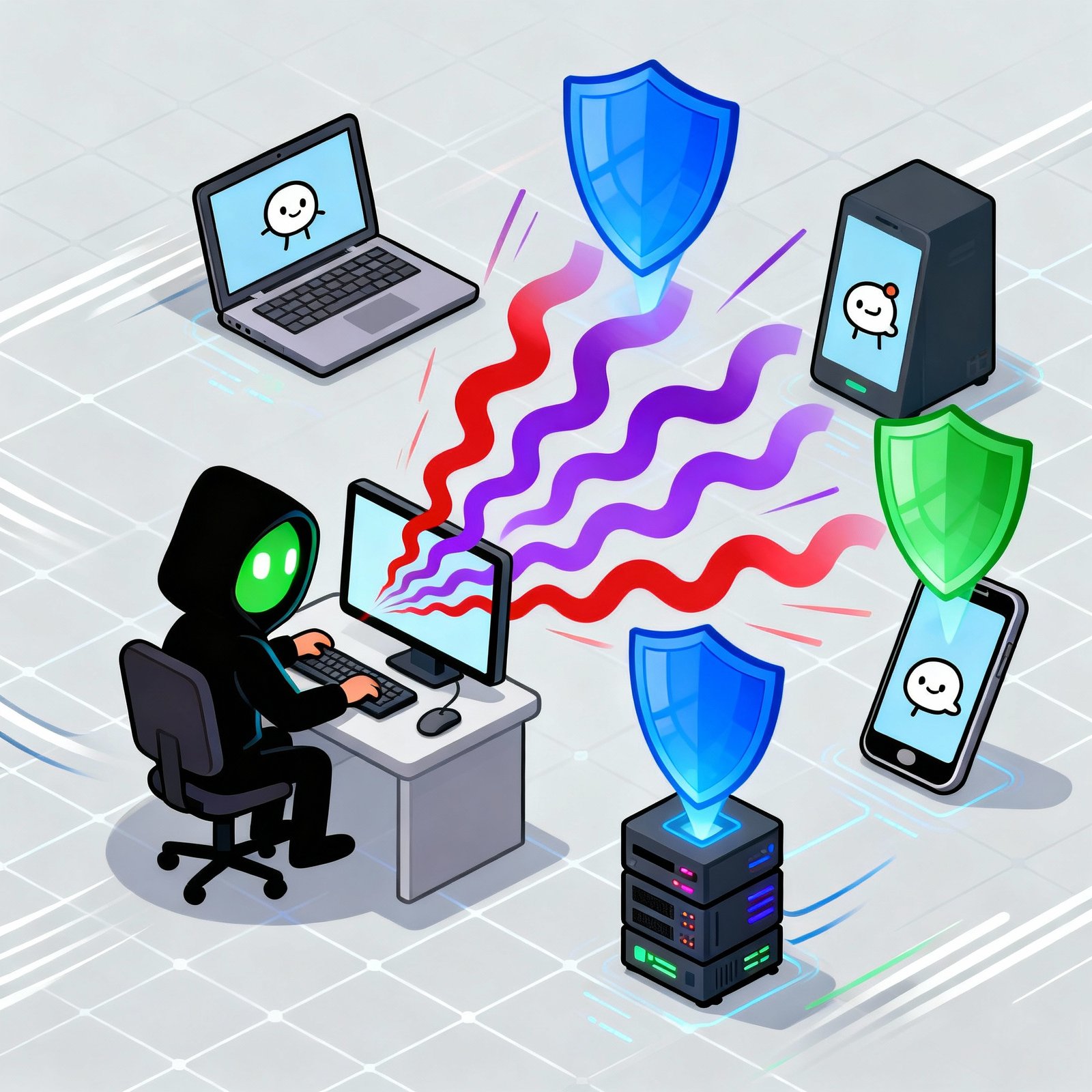
What Is Cyber Attacking?
The internet has transformed how people communicate, shop, work, and manage businesses. While technology offers convenience and speed, it has also created opportunities for cybercriminals to exploit digital systems. One of the biggest concerns today is Cyber Attacking.
Cyber attacking refers to any attempt to gain unauthorized access to computers, networks, systems, or digital information with the goal of stealing data, causing damage, disrupting services, or demanding money.
Cyber attacks can affect:
- Individuals
- Small businesses
- Large corporations
- Hospitals
- Educational institutions
- Banks
- Government organizations
In recent years, cyber attacks have increased rapidly because businesses and individuals rely heavily on online platforms and cloud-based services. Hackers continuously search for weak security systems and human mistakes to exploit.
Understanding cyber attacking is important because digital threats continue evolving every year. Whether someone uses social media, online banking, email, or business software, cybersecurity awareness has become essential.
In this guide, you will learn:
- What cyber attacking means
- Why cyber attacks happen
- Common types of cyber attacks
- How hackers target victims
- Risks of cyber attacks
- Ways to prevent cyber attacks
- Why cybersecurity matters for businesses
Understanding Cyber Attacking
Cyber attacking is the process of targeting digital systems, networks, applications, or devices using malicious methods. Attackers attempt to gain unauthorized access or cause harm through online activities.
Cybercriminals may try to:
- Steal personal information
- Access banking details
- Lock business files
- Spread malware
- Spy on users
- Disrupt services
- Commit online fraud
Unlike traditional crimes, cyber attacks can happen remotely from anywhere in the world. This makes cybersecurity a global challenge.
Hackers often use:
- Fake emails
- Malware
- Weak passwords
- Unsafe websites
- Software vulnerabilities
- Social engineering techniques
Some cyber attacks are performed by individuals, while others involve organized criminal groups or advanced hacking networks.
Why Cyber Attacks Are Increasing
Cyber attacks are becoming more common because modern life depends heavily on digital technology.
Increased Internet Usage
Billions of people now use:
- Smartphones
- Online banking
- Cloud storage
- Social media
- E-commerce platforms
The more digital activity grows, the more opportunities hackers have to target users.
Remote Work Environments
Remote and hybrid work models have increased cybersecurity risks.
Employees now access business systems through:
- Home networks
- Personal devices
- Public Wi-Fi
- Cloud applications
Weak home security setups often create vulnerabilities.
Financial Motivation
Many cyber attacks are financially motivated.
Cybercriminals may:
- Steal money
- Sell customer data
- Demand ransom payments
- Conduct identity theft
- Perform financial fraud
Cybercrime has become a profitable industry worldwide.
Weak Security Awareness
Many attacks succeed because users:
- Reuse passwords
- Click suspicious links
- Ignore software updates
- Download unsafe files
Human mistakes remain one of the biggest cybersecurity weaknesses.
Common Types of Cyber Attacking
Cyber attacks come in different forms. Some target individuals while others focus on organizations and critical infrastructure.
1. Phishing Attacks
Phishing is one of the most common cyber attacks today.
Attackers send fake:
- Emails
- Messages
- Login pages
- Websites
Their goal is to trick users into sharing:
- Passwords
- Banking details
- OTP codes
- Personal information
Phishing attacks often look genuine, making them difficult to identify.
Example:
A user receives an email pretending to be from a bank asking them to verify account details through a fake login page.
2. Malware Attacks
Malware is harmful software designed to damage systems or steal information.
Common types include:
- Viruses
- Trojans
- Worms
- Spyware
- Adware
Malware can spread through:
- Email attachments
- Fake downloads
- Unsafe websites
- Infected USB drives
Once installed, malware may monitor activity, steal files, or damage systems.
3. Ransomware Attacks
Ransomware is a dangerous cyber attack where hackers lock files or systems until payment is made.
Victims may lose access to:
- Business databases
- Customer records
- Financial documents
- Operational systems
Ransomware attacks can cause major financial and operational damage.
4. Password Attacks
Hackers often try to steal or guess passwords using:
- Brute force attacks
- Credential stuffing
- Password leaks
Weak passwords make attacks much easier.
Using the same password across multiple accounts increases risk significantly.
5. DDoS Attacks
A Distributed Denial of Service (DDoS) attack floods a website or network with massive traffic.
This can:
- Slow down websites
- Crash servers
- Interrupt online services
Large organizations and eCommerce websites are common targets.
6. Social Engineering Attacks
Social engineering targets human behavior instead of technical systems.
Attackers may pretend to be:
- Technical support staff
- Company employees
- Bank representatives
Their goal is to gain trust and steal information.
How Cyber Attackers Operate
Cyber attackers usually follow several steps while targeting victims.
Research and Information Gathering
Hackers first collect information about:
- Employees
- Business systems
- Email addresses
- Online activity
This helps them identify vulnerabilities.
Identifying Weaknesses
Attackers search for:
- Weak passwords
- Outdated software
- Security gaps
- Misconfigured systems
Even small vulnerabilities can become entry points.
Launching the Attack
Hackers may:
- Send phishing emails
- Install malware
- Exploit software bugs
- Trick users into revealing information
The attack method depends on the target and objective.
Gaining Access
Once attackers gain entry, they may:
- Monitor activity
- Steal files
- Encrypt systems
- Spread malware internally
Some attacks remain hidden for months before detection.
Exploiting Data
Cybercriminals may:
- Sell stolen information
- Demand ransom
- Leak sensitive data
- Commit identity fraud
Stolen data often appears on dark web marketplaces.
Risks of Cyber Attacking
Cyber attacks can create serious consequences for individuals and businesses.
Financial Loss
Victims may suffer losses from:
- Fraud
- Recovery costs
- Downtime
- Ransom payments
Cyber incidents can become extremely expensive.
Data Breaches
Sensitive information such as:
- Customer records
- Passwords
- Payment details
- Confidential documents
may be stolen or exposed publicly.
Reputation Damage
Businesses often lose customer trust after cyber attacks.
Security incidents can damage:
- Brand reputation
- Customer confidence
- Business relationships
Recovery may take years.
Operational Disruption
Cyber attacks can interrupt:
- Websites
- Internal systems
- Communication tools
- Online services
Downtime affects productivity and revenue.
Legal and Compliance Problems
Organizations handling customer data may face:
- Legal action
- Regulatory fines
- Compliance investigations
Many industries now require strong cybersecurity practices.
Cybersecurity Best Practices to Prevent Cyber Attacking
While no system is completely immune, good cybersecurity habits can reduce risks significantly.
Use Strong Passwords
Strong passwords should:
- Be unique
- Include numbers and symbols
- Avoid personal details
Password managers help improve password security.
Enable Multi-Factor Authentication (MFA)
MFA adds extra protection by requiring additional verification beyond passwords.
Even if passwords are stolen, MFA helps block unauthorized access.
Keep Software Updated
Software updates often fix:
- Security vulnerabilities
- System bugs
- Exploitable weaknesses
Ignoring updates increases cyber risks.
Avoid Suspicious Emails and Links
Users should avoid:
- Unknown links
- Fake attachments
- Suspicious downloads
Phishing attacks remain highly effective because they target human behavior.
Install Antivirus and Security Tools
Security software helps detect:
- Malware
- Unsafe websites
- Suspicious activities
Regular scans improve device protection.
Backup Important Data
Regular backups help businesses recover quickly after ransomware attacks or system failures.
Backups should be:
- Secure
- Encrypted
- Stored separately
Train Employees and Users
Cybersecurity awareness training helps people:
- Recognize phishing attempts
- Avoid scams
- Follow safe online practices
Employee awareness is critical for business security.
Importance of Cybersecurity for Businesses
Businesses of all sizes face cyber threats.
Small businesses are often targeted because hackers assume they have weaker protection.
Organizations should focus on:
- Network security
- Data encryption
- Employee training
- Access control
- Incident response planning
Cybersecurity is now essential for operational stability and customer trust.
Emerging Cybersecurity Trends
Cybersecurity continues evolving as threats become more advanced.
AI-Powered Cyber Attacks
Some attackers now use artificial intelligence to:
- Create realistic phishing emails
- Automate attacks
- Bypass security systems
This makes attacks more sophisticated.
Cloud Security Challenges
As businesses move to cloud platforms, protecting:
- Cloud storage
- SaaS applications
- Remote access systems
has become increasingly important.
Mobile Device Attacks
Smartphones and tablets are becoming major cyber attack targets due to widespread usage.
Mobile security is now critical for both individuals and businesses.
Internal Linking Opportunities
This article could naturally link to:
- Phishing prevention guides
- Data privacy articles
- Ransomware protection tips
- Network security solutions
- Password security guides
- Cybersecurity awareness training
- Cloud security best practices
Frequently Asked Questions
What is cyber attacking in simple words?
Cyber attacking means trying to access, damage, steal, or control digital systems or information using online methods.
Why do hackers perform cyber attacks?
Hackers may attack systems for:
- Financial gain
- Data theft
- Fraud
- Espionage
- Service disruption
What is the most common cyber attack?
Phishing is one of the most common cyber attacks because it targets human behavior through fake emails and messages.
Can small businesses become cyber attack targets?
Yes. Small businesses are common targets because many have limited cybersecurity protection.
How can people stay safe from cyber attacks?
People can reduce risks by:
- Using strong passwords
- Enabling MFA
- Avoiding suspicious links
- Updating software
- Using antivirus tools
Conclusion
Cyber attacking has become one of the biggest digital threats in the modern world. From phishing scams and malware to ransomware and password theft, cybercriminals use many methods to target individuals and businesses.
As technology continues evolving, cybersecurity awareness becomes more important than ever. Understanding how cyber attacks work helps users recognize threats early and take proper precautions.
Whether you are an individual user, employee, or business owner, following strong cybersecurity practices can help protect sensitive information, reduce financial risks, and improve online safety.
In 2026 and beyond, cybersecurity will continue playing a critical role in protecting digital systems, customer trust, and business operations worldwide.