

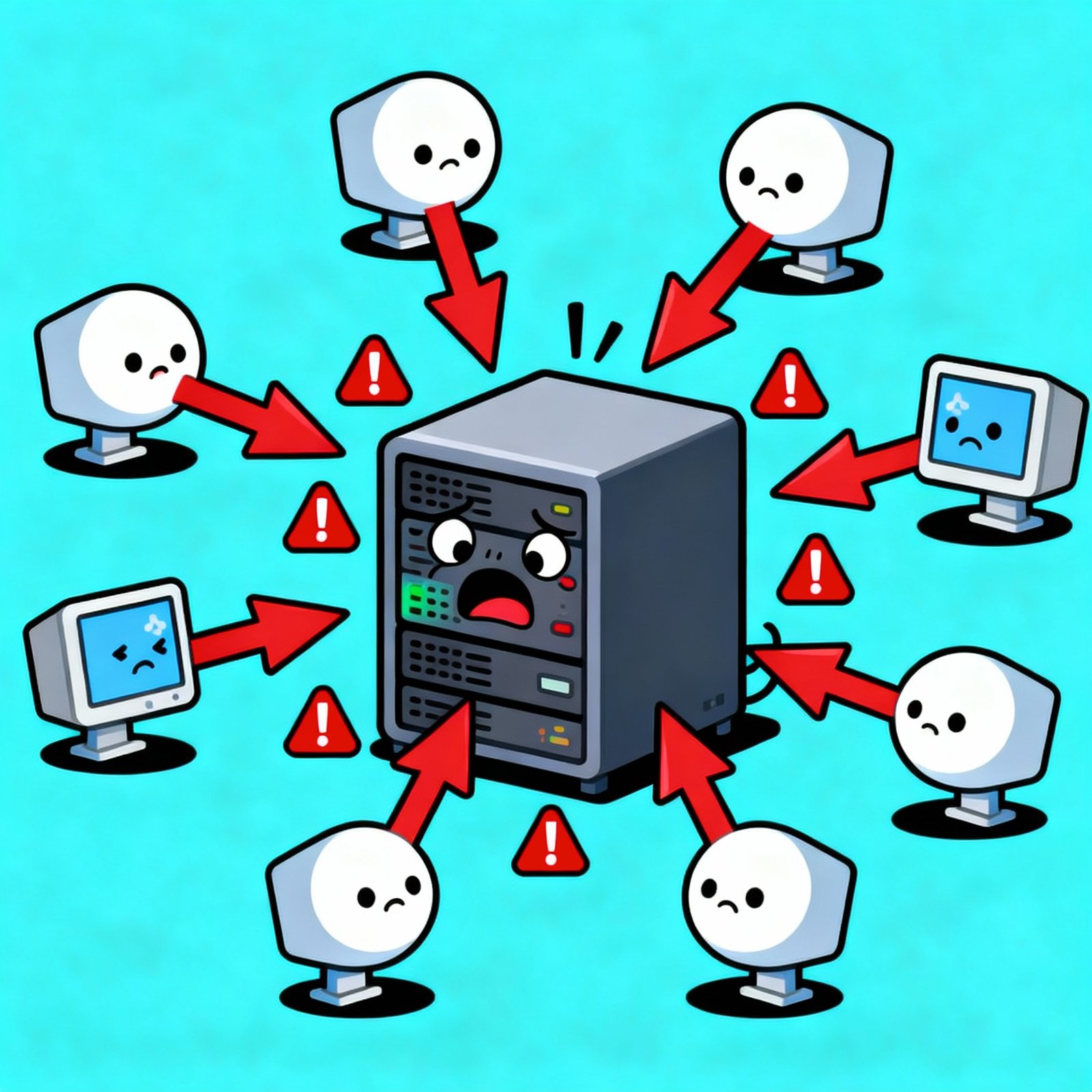
A website suddenly slows down. Customers cannot access services. Online payments fail. Within minutes, businesses start losing revenue and trust. In many cases, the cause is a DDoS attack.
DDoS attacks have become one of the most common and disruptive cyber threats facing websites, applications, gaming platforms, financial services, and even government systems. These attacks can affect businesses of all sizes, from small startups to global enterprises.
If you have ever wondered how DDoS attacks work, why hackers launch them, or how companies defend against them, this guide explains everything in simple terms.
In this article, you will learn:
- What a DDoS attack is
- How DDoS attacks work
- Different types of DDoS attacks
- Real-world examples and consequences
- Warning signs of an attack
- Effective prevention and mitigation strategies
- Best practices for long-term cybersecurity protection
Whether you run a business website, manage IT systems, or simply want to understand modern cyber threats, this guide will help you build a solid understanding of DDoS attacks.
What Are DDoS Attacks?
A DDoS attack, short for Distributed Denial-of-Service attack, is a cyberattack designed to overwhelm a server, website, application, or network with massive amounts of fake traffic.
The goal is simple: make the target unavailable to real users.
Unlike a normal denial-of-service attack that comes from a single device, a DDoS attack uses thousands or even millions of infected devices across different locations. These devices are often part of a botnet.
Simple Example of a DDoS Attack
Imagine a small coffee shop that can comfortably serve 50 customers at a time.
Now imagine 10,000 fake customers suddenly entering the shop at once. Real customers cannot get inside, employees become overwhelmed, and operations stop.
That is essentially how a DDoS attack works online.
How Does a DDoS Attack Work?
A DDoS attack typically follows several stages.
1. Building a Botnet
Hackers infect devices such as:
- Computers
- Smartphones
- Routers
- IoT devices
- Security cameras
Malware secretly turns these devices into “bots” controlled remotely by attackers.
A collection of infected devices is called a botnet.
2. Selecting the Target
The attacker chooses a target such as:
- Business websites
- E-commerce stores
- Gaming servers
- Banks
- Cloud services
- Government systems
3. Flooding the Target
The botnet sends an enormous number of requests simultaneously.
The server becomes overloaded and struggles to process legitimate traffic.
Eventually, users experience:
- Slow loading times
- Timeouts
- Crashes
- Complete outages
Common Types of DDoS Attacks
Not all DDoS attacks work the same way. Some target bandwidth, while others exploit server weaknesses.
Understanding the main attack categories helps organizations improve protection strategies.
Volume-Based Attacks
These attacks aim to consume all available bandwidth.
Common Examples
- UDP floods
- ICMP floods
- Amplification attacks
Attackers generate massive traffic volumes to overwhelm network capacity.
Real-World Impact
A business website may become inaccessible simply because the internet connection becomes saturated.
Protocol Attacks
Protocol attacks target weaknesses in network protocols and infrastructure devices.
Common Examples
- SYN floods
- Ping of Death
- Smurf attacks
These attacks consume server resources and networking equipment capacity.
Example
A firewall may become overloaded while trying to process incomplete connection requests.
Application Layer Attacks
Application-layer attacks target specific applications or websites.
These are often harder to detect because the traffic can appear legitimate.
Common Examples
- HTTP floods
- Slowloris attacks
Why They Are Dangerous
Even a relatively small amount of malicious traffic can crash a web application if requests are carefully designed.
E-commerce sites are particularly vulnerable during sales events or holiday seasons.
Why Do Hackers Launch DDoS Attacks?
DDoS attacks happen for many different reasons.
Financial Motivation
Cybercriminals may demand ransom payments to stop attacks.
This is often called a ransom DDoS attack.
Businesses that rely heavily on online availability are common targets.
Competitive Sabotage
In some cases, unethical competitors attempt to disrupt rival businesses.
Industries commonly targeted include:
- Online gaming
- E-commerce
- Streaming services
Political or Ideological Reasons
Hacktivist groups sometimes launch DDoS attacks against:
- Government websites
- News organizations
- Corporations
These attacks are often intended to send a political message.
Distraction for Larger Attacks
Sometimes DDoS attacks are used as distractions while hackers attempt:
- Data breaches
- Malware deployment
- Credential theft
Security teams may focus on restoring website availability while other threats go unnoticed.
Signs Your Website May Be Under a DDoS Attack
Early detection is critical.
Some warning signs include:
Sudden Traffic Spikes
A large increase in traffic from unusual locations or unknown devices may indicate malicious activity.
Slow Website Performance
Websites may load extremely slowly or fail completely.
Unusual Server Resource Usage
High CPU, memory, or bandwidth usage without clear explanation can signal an attack.
Frequent Timeouts
Users may report:
- Connection failures
- Gateway errors
- Interrupted sessions
Suspicious Traffic Patterns
Traffic from a single IP range or repetitive requests to the same page can indicate bot activity.
Real-World Examples of DDoS Attacks
DDoS attacks have disrupted some of the world’s largest online services.
Dyn DNS Attack
One of the most famous attacks targeted Dyn, a major DNS provider.
The attack disrupted access to major platforms including:
- Social media websites
- Streaming services
- E-commerce platforms
Millions of users experienced outages.
Financial Sector Attacks
Banks and payment providers are frequent targets because downtime directly impacts customer trust and revenue.
Some attacks are carefully timed during peak transaction periods.
Gaming Industry Attacks
Gaming companies often experience DDoS attacks during major tournaments or game launches.
Attackers may target:
- Matchmaking servers
- Streaming platforms
- Online communities
How to Prevent DDoS Attacks
No system is completely immune, but organizations can significantly reduce risk.
Use a DDoS Protection Service
Specialized DDoS mitigation providers help absorb and filter malicious traffic before it reaches your infrastructure.
These services often include:
- Traffic filtering
- Load balancing
- Rate limiting
- Real-time monitoring
Internal Linking Opportunity: Link to a guide about cloud security services or website protection solutions.
Implement a Content Delivery Network (CDN)
A CDN distributes traffic across multiple servers worldwide.
Benefits include:
- Reduced server load
- Faster website performance
- Better resilience against traffic spikes
Configure Firewalls and Rate Limiting
Modern web application firewalls can block suspicious requests.
Rate limiting helps restrict excessive requests from individual IP addresses.
Monitor Traffic Continuously
Real-time monitoring helps identify unusual traffic patterns quickly.
Important metrics include:
- Bandwidth usage
- Request frequency
- Geographic traffic sources
- Server response times
Maintain Redundant Infrastructure
Redundancy improves resilience during attacks.
Businesses often use:
- Multiple servers
- Cloud failover systems
- Backup hosting environments
Best Practices for DDoS Mitigation
Strong cybersecurity requires preparation, not just reaction.
Create an Incident Response Plan
Organizations should document:
- Roles and responsibilities
- Emergency contacts
- Mitigation procedures
- Communication workflows
This reduces downtime during attacks.
Perform Stress Testing
Simulated traffic testing helps identify weaknesses before attackers do.
Testing can reveal:
- Server bottlenecks
- Scaling limitations
- Firewall weaknesses
Keep Systems Updated
Outdated systems often contain vulnerabilities that attackers exploit.
Regular updates improve overall security posture.
Educate Employees
Human error remains a major cybersecurity risk.
Employees should understand:
- Phishing threats
- Password security
- Suspicious network activity
DDoS Attacks and Business Impact
Many people underestimate how damaging a DDoS attack can be.
The consequences often extend beyond temporary downtime.
Revenue Loss
E-commerce stores can lose thousands or even millions during outages.
Even short disruptions may affect customer purchasing behavior.
Reputation Damage
Customers expect websites and applications to remain available.
Repeated outages reduce trust and brand credibility.
Operational Disruption
Teams may spend hours or days recovering systems and restoring services.
This affects productivity across departments.
Increased Security Costs
Businesses may need emergency mitigation services, infrastructure upgrades, and forensic investigations after attacks.
Are Small Businesses at Risk?
Yes.
Many attackers target small businesses because they often lack advanced cybersecurity protection.
Small businesses may also rely heavily on a single website or server, making outages more damaging.
Common small business targets include:
- Online stores
- Local service providers
- SaaS startups
- Educational platforms
Cybersecurity is no longer only a concern for large enterprises.
Future Trends in DDoS Attacks
DDoS attacks continue evolving rapidly.
IoT-Based Botnets
The rise of internet-connected devices has expanded opportunities for attackers.
Poorly secured IoT devices remain a major threat source.
AI-Driven Attack Strategies
Attackers increasingly use automation and AI to:
- Identify vulnerabilities
- Adjust attack patterns
- Evade detection systems
Multi-Vector Attacks
Modern attacks often combine multiple techniques simultaneously.
For example:
- Volume attacks
- Application-layer attacks
- Protocol attacks
This makes mitigation more complex.
FAQ About DDoS Attacks
What is the main purpose of a DDoS attack?
The primary goal of a DDoS attack is to overwhelm a website, server, or network so legitimate users cannot access it.
Can a DDoS attack steal data?
A DDoS attack itself usually does not steal data. However, attackers sometimes use DDoS attacks as distractions while attempting data breaches or malware infections.
How long do DDoS attacks last?
Some attacks last only a few minutes, while others continue for hours or even days depending on the attacker’s resources and the target’s defenses.
Are DDoS attacks illegal?
Yes. Launching a DDoS attack is illegal in most countries and can result in severe criminal penalties.
Can cloud services stop DDoS attacks completely?
Cloud services can significantly reduce the impact of DDoS attacks, but no solution guarantees complete protection. A layered cybersecurity strategy works best.
Conclusion
DDoS attacks remain one of the most disruptive cybersecurity threats in today’s digital world. From small businesses to global enterprises, any online service can become a target.
Understanding how DDoS attacks work is the first step toward building stronger protection.
Businesses that invest in proactive monitoring, DDoS mitigation services, scalable infrastructure, and employee awareness are far better prepared to handle modern cyber threats.
Cybersecurity is not just about preventing attacks. It is about maintaining trust, availability, and resilience in an increasingly connected world.
If you want to strengthen your online security posture, consider exploring related guides on network security, malware protection, and website vulnerability management to build a more comprehensive defense strategy.