

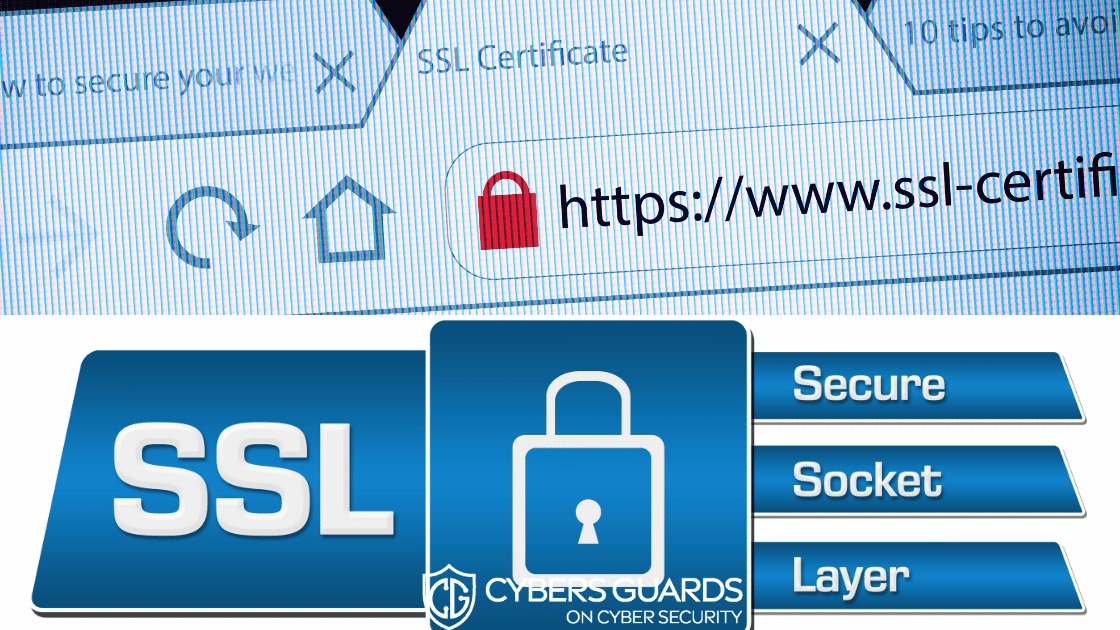
In today’s connected world, trust is currency. When customers make a payment online, access a cloud application, or send sensitive data, they rely on invisible systems that ensure authenticity and data integrity. At the core of this trust ecosystem are external certification authorities (CAs).
These institutions issue digital certificates that authenticate websites, encrypt data through SSL/TLS, and underpin the very foundation of cybersecurity. For online security professionals, CEOs, and IT leaders, understanding how external certification authorities work is essential for protecting brand reputation and customer confidence.
What Are External Certification Authorities?
External certification authorities (CAs) are trusted third-party organizations responsible for issuing, validating, and managing digital certificates. These certificates serve as digital passports, proving the authenticity of websites, applications, or users while enabling encrypted communication.
Definition and Purpose
A CA acts as a trusted intermediary between a website or business and its users. By issuing SSL/TLS certificates, external certification authorities validate identities and ensure that secure channels are established.
Role in the SSL/TLS Ecosystem
Every time you see the padlock icon in your browser, it signifies that the website’s digital certificate has been issued by a recognized CA. Without CAs, users would have no way of verifying that the site they are visiting—a bank, hospital portal, or online retailer—is genuine.
Why Do We Need External Certification Authorities?
The Problem of Online Trust
On the internet, anyone can mimic websites, emails, or communications. External certification authorities solve this by acting as independent validators, ensuring that public keys actually belong to the claimed entities.
CA Validation Methods
Certification authorities use varied validation processes:
-
Domain Validation (DV): Verifies control of a domain.
-
Organization Validation (OV): Confirms the legitimacy of a business.
-
Extended Validation (EV): Provides the highest level of trust with rigorous checks.
These different validation processes give businesses flexibility in balancing speed, cost, and security.
Types of Certificates Issued by CAs
Domain-Validated Certificates (DV)
DV certificates are quick to issue and confirm only domain ownership. They are best for blogs, small websites, or testing environments.
Organization-Validated Certificates (OV)
OV certificates verify both domain ownership and the organization’s legitimacy, offering stronger user trust compared to DV.
Extended Validation Certificates (EV)
EV certificates undergo the most extensive checks, showing detailed information in the browser’s certificate transparency. They are ideal for enterprises and financial institutions requiring maximum trust.
How Certification Authorities Work
Certificate Issuance Process
-
Request: A website owner generates a Certificate Signing Request (CSR).
-
Validation: The CA verifies domain ownership and, if applicable, organizational legitimacy.
-
Issuance: The CA signs and issues a certificate.
-
Installation: The certificate is deployed on the server.
-
Trust Establishment: Browsers recognize the CA and trust the certificate automatically.
Public Key Infrastructure (PKI) Explained
External certification authorities are a critical part of PKI, a framework that combines:
-
Asymmetric Cryptography: Public/private key encryption.
-
Certificate Authorities: Issuing and validating certificates.
-
Registration Authorities (RAs): Supporting validation tasks.
-
Certificate Revocation Lists (CRLs): Managing compromised or expired certificates.
Together, PKI ensures the confidentiality, integrity, and authenticity of digital communications.
Real-World Role of External CAs
Securing E-Commerce and Banking Transactions
When consumers pay online, SSL/TLS certificates from CAs ensure the connection is encrypted and the merchant’s identity is confirmed.
Enterprise Use in Identity Management
Organizations use digital certificates for employee authentication, VPN access, and secure internal messaging.
Role in Cloud and SaaS Platforms
Cloud providers and SaaS companies integrate with external CAs to ensure encrypted data exchanges across multi-tenant environments.
Risks and Challenges Around Certification Authorities
CA Breaches and Compromises
History has shown that even trusted CAs can be compromised. Incidents with DigiNotar and Symantec highlight the dangers of misissued or fraudulent certificates.
Misissued Certificates
Sometimes, certificates are issued incorrectly, either by error or malicious request, which can enable man-in-the-middle attacks on unsuspecting users.
Dependence on Third Parties
Using external certification authorities means placing immense trust in these entities. If a CA is compromised, the trust ecosystem can collapse at scale.
Best Practices for Businesses Using External Certification Authorities
Choosing the Right CA
-
Select a CA with a proven track record.
-
Ensure they comply with CA/Browser Forum standards.
-
Verify support for automation tools like ACME.
Certificate Lifecycle Management
-
Track all certificates in use (discovery).
-
Monitor for expiration to avoid service outages.
-
Revoke or replace compromised keys immediately.
Automating Renewals and Monitoring
Consider solutions that automatically renew and deploy certificates across cloud, on-prem, and hybrid infrastructures to prevent downtime.
Future of Certification Authorities
Post-Quantum Cryptography
As quantum computing advances, existing encryption may be broken. External certification authorities are preparing next-gen certificates designed to withstand quantum attacks.
Automation and ACME Protocols
Protocols like ACME (used by Let’s Encrypt) have revolutionized how certificates are issued and renewed. Expect more CAs to embrace automation in the future.
Towards Decentralized Trust Models
New models such as blockchain-based certificate validation and decentralized identifiers (DIDs) may complement or reshape how external CAs function.
FAQs About External Certification Authorities
1. What are external certification authorities?
They are trusted third-party organizations that issue digital certificates to authenticate websites and encrypt communications.
2. Why are they needed?
Without them, users couldn’t verify whether a website or digital service is authentic or malicious.
3. What’s the difference between DV, OV, and EV certificates?
DV checks domain ownership, OV validates the organization, and EV performs the deepest verification for maximum trust.
4. Can CAs be hacked?
Yes. While rare, CA breaches have occurred. This is why certificate monitoring and revocation lists are critical.
5. How do external CAs relate to SSL/TLS?
They issue SSL/TLS certificates, enabling encrypted web communication and secure browsing.
6. Are free certificates safe?
Yes, free certificates like Let’s Encrypt are secure, but they may lack enterprise-grade validation and support.
7. How often should certificates be renewed?
Most SSL/TLS certificates now have a validity period of 13 months, requiring routine renewal.
8. What’s the future of CAs?
Expect automation, post-quantum encryption adoption, and hybrid trust ecosystems.
Conclusion and Call to Action
External certification authorities remain an indispensable pillar of digital trust. They enable encrypted communications, validate online identities, and safeguard global business transactions. However, they also introduce risks that companies must manage proactively.
For CEOs, CISOs, and IT leaders, the way forward is clear:
-
Choose a trusted CA.
-
Automate certificate lifecycle management.
-
Prepare for the post-quantum future.
By doing so, organizations can protect both their data and their reputation in a time when trust truly defines digital business.