

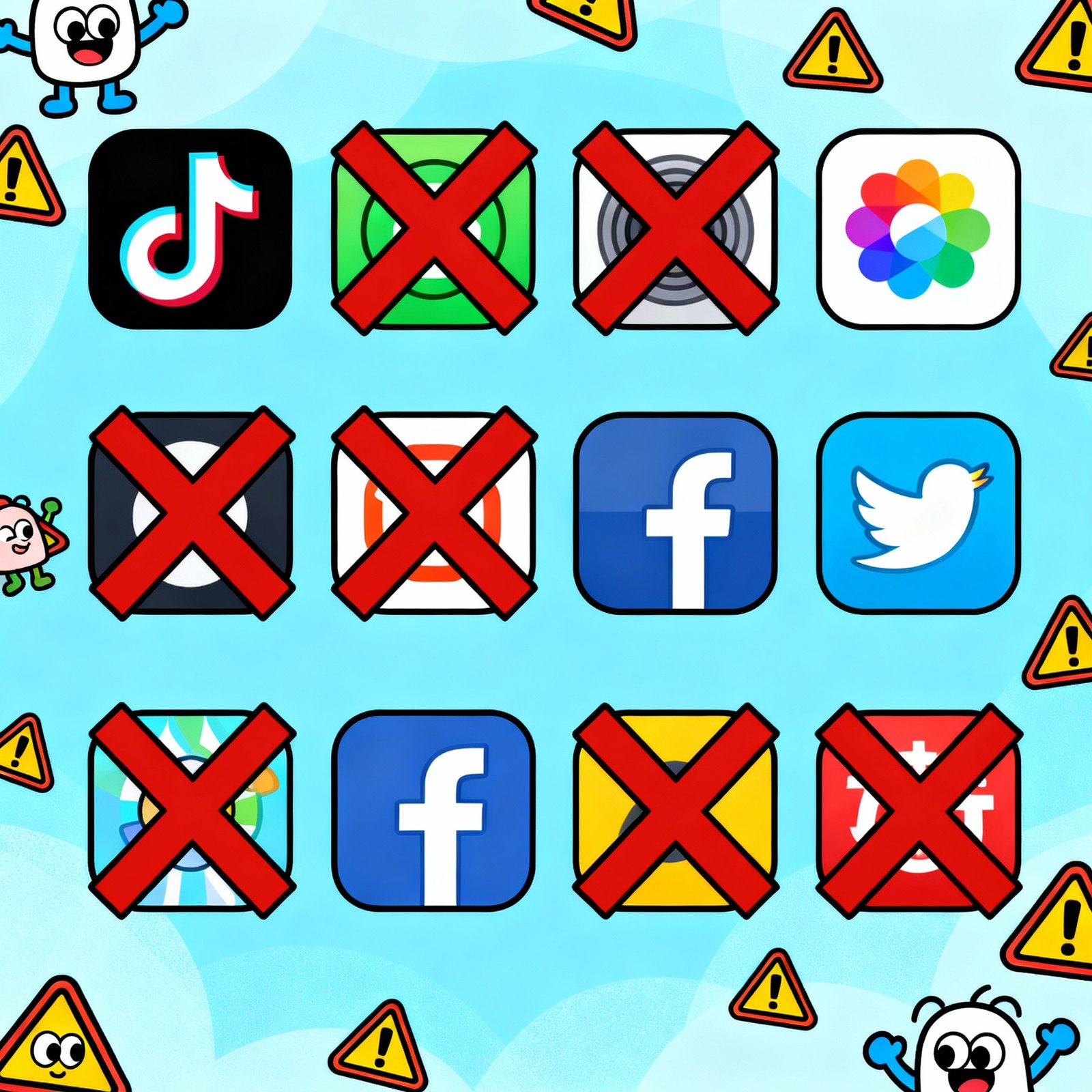
Why Apps Are Getting Banned?
Mobile apps have become an important part of daily life. People use apps for banking, shopping, social media, gaming, communication, and business operations. But in recent years, many popular apps have suddenly disappeared from app stores or been banned by governments and platforms.
This has led many users and businesses to ask an important question:
Why are apps getting banned?
Apps can be banned for several reasons including privacy violations, security risks, harmful content, policy violations, fake activities, data misuse, and government regulations. In some cases, apps are removed temporarily. In other situations, they may be permanently banned.
Understanding why apps get banned is important for:
- App developers
- Businesses
- Digital marketers
- Content creators
- Regular users
In this guide, you will learn:
- Why apps are getting banned
- Common reasons behind app bans
- How app stores enforce policies
- Government restrictions on apps
- Security and privacy concerns
- How developers can avoid app bans
What Does It Mean When an App Gets Banned?
When an app gets banned, it usually means:
- The app is removed from app stores
- Users can no longer download it
- Certain features may stop working
- Governments may restrict access
- Platforms may suspend the developer account
App bans can happen on:
- Google Play Store
- Apple App Store
- Social media platforms
- Specific countries or regions
Sometimes apps are banned globally, while other times restrictions apply only in certain locations.
Common Reasons Why Apps Are Getting Banned
There are many reasons apps may face restrictions or removal.
1. Privacy and Data Collection Issues
One of the biggest reasons apps get banned is improper handling of user data.
Many apps collect information such as:
- Phone numbers
- Locations
- Contacts
- Photos
- Browsing activity
- Payment details
If an app collects excessive data without proper transparency or consent, it may violate privacy laws or app store policies.
Governments and app stores now pay much closer attention to:
- User privacy
- Data security
- Permission abuse
- Tracking practices
Apps that misuse customer information often face serious action.
2. Security Risks and Malware
Apps containing harmful code can be banned quickly.
Examples include:
- Malware
- Spyware
- Trojan programs
- Hidden background tracking
- Unauthorized access tools
Cybercriminals sometimes create fake apps that:
- Steal passwords
- Access banking details
- Install malicious software
App stores regularly scan applications for suspicious activity to protect users.
3. Violation of App Store Policies
Both Google and Apple have strict rules developers must follow.
Apps may get banned for:
- Misleading content
- Spam behavior
- Fake reviews
- Copycat applications
- Excessive advertising
- Unauthorized subscriptions
Even popular apps can face removal if they repeatedly violate platform guidelines.
4. Harmful or Illegal Content
Apps promoting illegal or harmful activities may be restricted or removed.
This includes content involving:
- Violence
- Hate speech
- Gambling violations
- Illegal streaming
- Adult content violations
- Fraudulent activities
Platforms aim to reduce harmful experiences for users.
5. National Security Concerns
Some governments ban apps because of national security concerns.
Authorities may believe an app:
- Collects sensitive citizen data
- Shares information improperly
- Creates cybersecurity risks
- Violates local regulations
In recent years, several countries have banned apps linked to data privacy and geopolitical concerns.
6. Fake Engagement and Spam Activity
Apps using fake activity systems may also face bans.
Examples include:
- Fake followers
- Automated bots
- Click fraud
- Artificial reviews
- Spam messaging
Platforms actively remove apps that manipulate engagement unfairly.
How App Stores Detect Problematic Apps
App stores use multiple methods to identify risky applications.
Automated Security Scanning
Google Play Protect and Apple security systems scan apps for:
- Malware
- Hidden code
- Dangerous permissions
- Suspicious activity
These systems automatically flag high-risk applications.
Manual Reviews
Many apps are manually reviewed before approval.
Review teams check:
- Content quality
- Privacy compliance
- User safety
- Policy violations
Apps failing these reviews may be rejected or removed.
User Reports
Users can report apps for:
- Fraud
- Security problems
- Fake functionality
- Inappropriate content
Large numbers of complaints often trigger investigations.
Behavioral Monitoring
Platforms monitor app behavior after launch.
If an app suddenly:
- Requests unusual permissions
- Shows suspicious ads
- Performs hidden actions
It may face restrictions quickly.
Why Governments Ban Certain Apps
Governments sometimes ban apps for broader legal or security reasons.
Data Privacy Concerns
Some governments worry that apps may transfer sensitive user information to external parties without proper oversight.
This becomes especially serious when apps handle:
- Financial data
- Government information
- Personal communications
Cybersecurity Risks
Apps connected to security vulnerabilities may create risks for:
- National infrastructure
- Businesses
- Public systems
Authorities may restrict apps considered high-risk.
Legal Compliance Issues
Apps must often comply with local laws involving:
- Content moderation
- Data storage
- User privacy
- Financial regulations
Failure to follow regional laws can lead to bans.
Impact of App Bans on Businesses
App bans can create major problems for companies.
Revenue Loss
Businesses may lose:
- Customers
- Advertising income
- Subscription revenue
- Brand visibility
For app-based businesses, bans can severely affect operations.
Reputation Damage
Users may lose trust in banned applications, especially when bans involve:
- Security problems
- Privacy concerns
- Fraud allegations
Rebuilding trust can take years.
Customer Migration
Users often move quickly to competing platforms after bans.
This creates long-term business challenges.
How Developers Can Avoid App Bans
Developers and businesses can reduce the risk of app bans by following best practices.
Follow App Store Policies Carefully
Developers should regularly review:
- Google Play policies
- Apple App Store guidelines
- Advertising rules
- Privacy regulations
Policies change frequently.
Protect User Data
Apps should:
- Request only necessary permissions
- Use encryption
- Protect customer information
- Explain data collection clearly
Strong privacy practices improve trust and compliance.
Avoid Misleading Practices
Developers should avoid:
- Fake reviews
- Hidden charges
- Spam notifications
- Deceptive advertising
Transparency is important for long-term success.
Perform Regular Security Testing
Security testing helps identify:
- Vulnerabilities
- Malware risks
- Weak authentication
- Unsafe code
Regular audits improve app security significantly.
Respond Quickly to Complaints
Ignoring user complaints may increase the risk of platform action.
Developers should actively:
- Monitor feedback
- Fix bugs
- Resolve security issues
- Improve user experiences
Examples of Apps Getting Banned
Over the years, many apps have faced restrictions for different reasons.
Some were banned for:
- Data privacy concerns
- National security issues
- Fake engagement systems
- Copyright violations
- Financial fraud
These incidents show how important compliance and cybersecurity have become in the mobile app industry.
Internal Linking Opportunities
This article could naturally link to:
- Cybersecurity awareness guides
- Mobile app security tips
- Data privacy articles
- Phishing prevention guides
- Social media safety tips
- Safe app download practices
- Online fraud prevention resources
Frequently Asked Questions
Why are apps getting banned recently?
Apps are getting banned more frequently because governments and app stores are enforcing stricter rules around privacy, security, harmful content, and user safety.
Can banned apps come back?
Yes. Some apps return after fixing policy violations or security issues. Others may remain permanently banned.
Are banned apps dangerous?
Not always. Some apps are banned for legal or political reasons, while others may involve serious privacy or security risks.
How do app stores detect harmful apps?
App stores use automated scanning systems, manual reviews, user reports, and behavioral monitoring to identify risky apps.
Can businesses lose money from app bans?
Yes. App bans can cause revenue loss, customer migration, reduced visibility, and reputation damage.
Conclusion
Apps are getting banned more often because digital platforms, governments, and users now expect stronger privacy, better security, and safer online experiences.
Whether the issue involves malware, fake engagement, policy violations, harmful content, or national security concerns, app bans usually happen when trust and compliance standards are not met.
For users, understanding why apps are banned helps improve online safety and privacy awareness. For developers and businesses, following platform guidelines, protecting user data, and maintaining strong cybersecurity practices are essential for long-term success.
As mobile technology continues growing in 2026 and beyond, app security, transparency, and responsible data handling will become even more important for developers worldwide.