

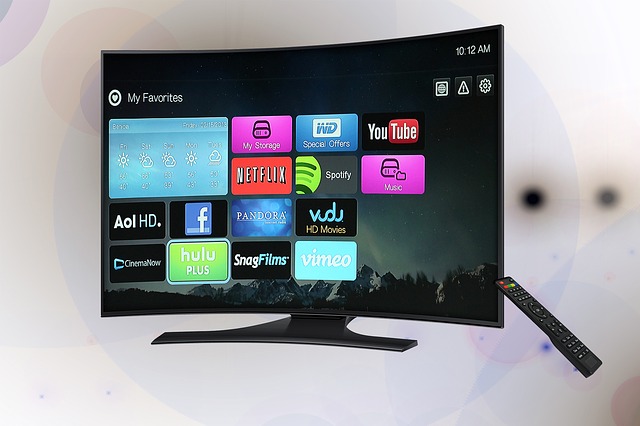
Smart TVs are in over 80% of households and growing rapidly across enterprises. Yet they’re also one of the least-secured devices on modern networks. Think about it—your smart TV likely has a microphone, camera, streaming apps, and constant internet access. For cybercriminals, that’s an attractive entry point.
For security professionals, CISOs, and even CEOs working remotely, the call to action is clear: secure your smart TV like any other connected endpoint. In this guide, we’ll walk through why it matters, what risks to watch, and how to safeguard both home and enterprise setups.
Why You Need to Secure Your Smart TV
Today’s smart TVs are no longer simple displays. They are Internet of Things (IoT) devices packed with sensors, apps, and cloud integrations.
Here’s why that matters:
-
Data Collection: TVs regularly track what you watch.
-
Hacking Risks: Exploitable vulnerabilities provide attackers pathways.
-
Network Exposure: A compromised TV can be a launchpad for wider attacks on your home or corporate network.
According to industry reports, over 30% of IoT-targeted cyberattacks now involve smart TVs.
Common Smart TV Security Risks
When you secure your smart TV, you must understand the enemy’s playbook.
Weak Passwords
Default admin credentials are notorious attack targets. Hackers leverage password dumps to brute force smart TV accounts.
Outdated Firmware
Manufacturers release security patches, but many TVs are never updated—leaving them with exploitable bugs.
Malicious Apps
Some “free movie streaming” apps often sideload spyware or ransomware payloads.
Data Tracking & Privacy
Advertisers gather extensive viewing records. Without permissions tightened, your data is exposed.
Botnet Recruitment
Smart TVs have been hijacked into botnets like Mirai—used to launch massive DDoS attacks.
Step-by-Step Guide to Secure Your Smart TV
Let’s break down practical measures:
Keep Firmware and Apps Updated
-
Enable auto-updates if your TV supports it.
-
Regularly check manufacturer sites for patch releases.
-
Outdated firmware = open door for exploits.
Use Strong Authentication and Passwords
-
Never keep default credentials.
-
Use at least 12+ character complex passwords.
-
Centralize with a password manager for consistency.
Secure Network Connections
-
Connect Smart TVs via VLAN or guest Wi-Fi separate from laptops.
-
Use WPA3 encryption for WiFi.
-
For stability, consider wired Ethernet—less attack surface.
Disable Unnecessary Features
-
Disable mics, cameras, or Bluetooth if not in use.
-
Turn off “Automatic Content Recognition” which collects watch data.
Install Only Trusted Apps
-
Stick with official app stores.
-
Audit app permissions—does a sports streaming app need microphone access?
Use Firewalls, Network Monitoring & VPNs
-
Deploy router-based firewalls.
-
Monitor outbound connections for suspicious traffic.
-
For executives, route smart TV traffic through enterprise VPNs for secure streaming.
Advanced Strategies for Enterprises Using Smart TVs
Smart TVs aren’t just in living rooms; they sit in:
-
Boardrooms.
-
Executive offices.
-
Remote teams’ homes.
Enterprises should:
-
Treat TVs as network endpoints in Zero Trust policies.
-
Mandate VLAN isolation for all smart TVs in corporate offices.
-
Apply IoT agents or monitoring tools that flag anomalies.
-
Educate executives not to log corporate email or accounts into TV app stores.
Cybersecurity leaders must add smart TV audits into the IoT security strategy.
Case Studies of Smart TV Hacks
-
FBI Warning (2019): Smart TVs with cameras could be hijacked for surveillance.
-
Mirai Botnet Case: Some smart TVs were infected through weak telnet settings, joining massive DDoS campaigns.
-
Ransomware Proof-of-Concepts: Researchers have demonstrated ransomware payloads on smart TVs, locking the display until bitcoin payments were made.
The lesson: Smart TVs are viable targets, not hypothetical risks.
Future Outlook: Securing Smart TVs in the AI + IoT Era
Looking ahead:
-
AI Integration: Smart TVs will predict viewing—but attackers may exploit AI features.
-
IoT Consolidation: TVs connect with smart assistants, fridges, and more—broadening attack surfaces.
-
Zero Trust Expansion: Enterprises will treat TVs and IoT as “untrusted devices” with strict access controls.
The war for secure IoT endpoints will only intensify.
FAQs: How to Secure Your Smart TV
1. How do I secure my smart TV from hackers?
Update firmware, use strong passwords, isolate the device on a guest Wi-Fi network, disable unused features, and install only trusted apps.
2. Can smart TVs be hacked?
Yes. They can be exploited to spy via cameras, steal credentials, or join botnets.
3. Should I connect my smart TV to VPN?
Yes, a VPN helps secure connections, especially when streaming sensitive or geo-blocked content.
4. Do smart TVs track what I watch?
Most do. Use privacy settings to disable content-logging features like Automatic Content Recognition (ACR).
5. What apps are risky on smart TVs?
Third-party or sideloaded apps, especially unauthorized free streaming apps. Stick to verified app stores.
6. Are smart TVs safe for enterprises?
They can be—if treated as IoT endpoints with network isolation, monitoring, and clear usage policies.
7. How often should I update my smart TV?
Check monthly for firmware and security patches. Set updates to auto if possible.
Conclusion and Call-to-Action
Today’s reality is simple: your smart TV is a computer with a bigger screen. Like laptops and phones, it carries vulnerabilities—but unlike them, it often gets ignored in security plans.
For families, professionals, and CEOs, the lesson is clear: secure your smart TV before attackers exploit it.
Start treating your TV as part of your cybersecurity ecosystem. Update it, isolate it, monitor it, and build smarter security policies. Because in 2025, every connected screen is a potential attack surface.